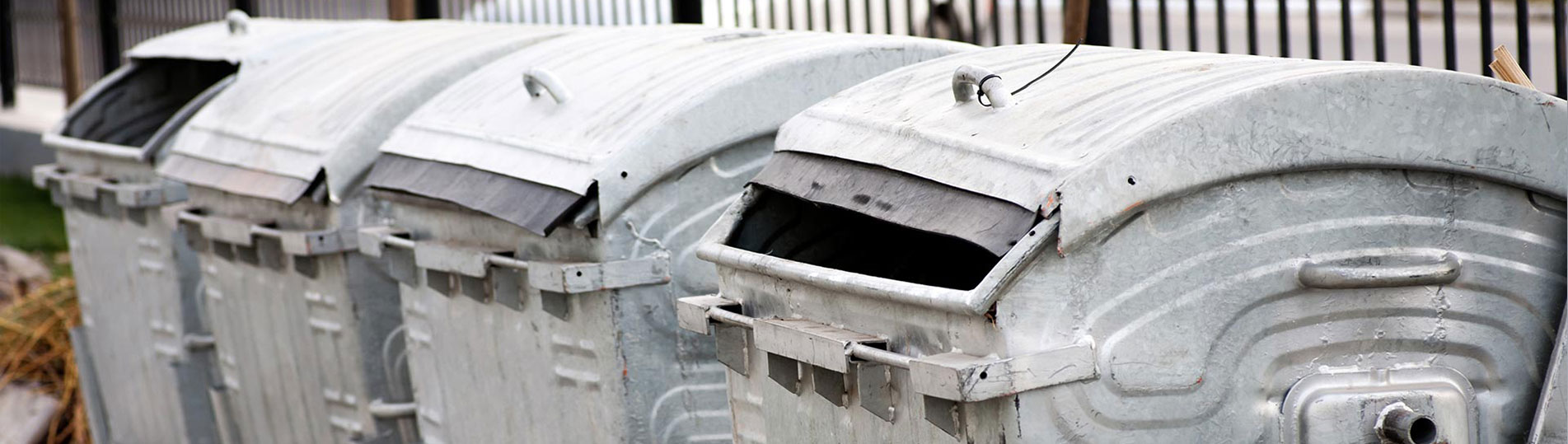
Best rubbish pickup on Baker Street, Marylebone (W1U)
Posted on 26/05/2026
If you live, work, or manage property on Baker Street, you already know space is at a premium. A missed bin day, a pile of packaging after a move, or builders' debris outside a flat can quickly become more than an inconvenience. The right rubbish pickup on Baker Street, Marylebone (W1U) should be fast, tidy, legal, and discreet enough to fit the way the area actually works.
This guide explains how local rubbish pickup typically works, what to look for in a reliable service, which options suit different situations, and how to avoid the usual headaches. Whether you are clearing one awkward item or arranging regular waste removal for a property or business, the goal is the same: a clean result with no drama.
For a broader look at local service options, you may also find the services overview useful, especially if your job may involve more than basic rubbish collection.
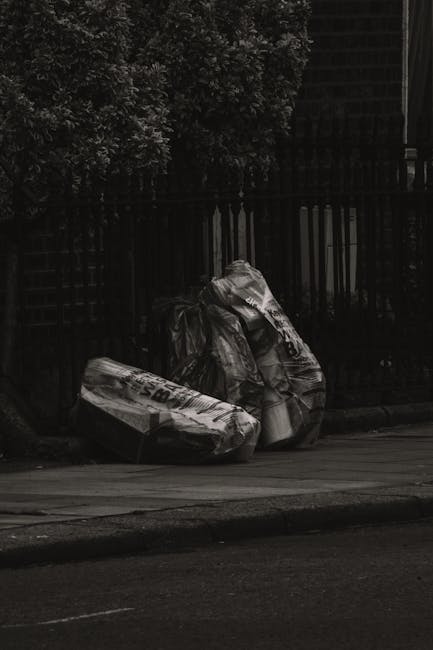
Why rubbish pickup on Baker Street, Marylebone (W1U) matters
Baker Street sits in a part of London where access, timing, and presentation all matter. That changes how rubbish pickup should be handled. A service that works in a suburban driveway may be less suitable here if it cannot manage tight loading areas, resident access, lift restrictions, or the need to work quickly and quietly.
There is also the local lifestyle factor. Baker Street is surrounded by homes, offices, serviced apartments, short-let properties, and commercial spaces. Waste needs vary from one building to the next. One day it might be end-of-tenancy furniture. The next, it could be office decluttering or builder's rubble. A good provider should handle those differences without making the customer do all the heavy lifting, literally or administratively.
This is why local relevance matters. The best rubbish pickup is not only about removing waste. It is about removing it at the right time, in the right way, with the right paperwork and disposal route. That is especially important in a central area where neighbours, building managers, and schedule constraints can all create friction if the process is handled badly.
For readers comparing the area more broadly, the site's Marylebone resident tips article gives a helpful sense of what daily life in the neighbourhood is like, which in turn explains why reliable waste handling is so valuable.
How rubbish pickup works
In practice, rubbish pickup usually follows a simple pattern. You contact the provider, describe what needs removing, get a quote or estimate, arrange a collection time, and have the waste taken away for sorting, reuse, recycling, or disposal. Straightforward enough. The details are where quality shows.
A professional service will normally want to know:
- what type of waste you have
- rough volume or number of bags/items
- whether anything is heavy, awkward, or restricted
- access details such as stairs, lifts, loading points, or parking constraints
- your preferred timing and any building rules
On Baker Street, access is often the deciding factor. If the collection vehicle cannot stop exactly outside, or if an item needs to be moved through a shared hallway, the provider must plan accordingly. A reputable team will ask these questions before arrival rather than discovering them at the kerb.
Many customers also need reassurance about where the rubbish goes. That is fair. A responsible operator should prioritise reuse and recycling where possible and only send residual waste to authorised disposal routes. If sustainability matters to you, read the company's recycling and sustainability information before booking.
For some jobs, the service is a simple one-off pickup. For others, it is part of a larger property clearance or refurbishment schedule. If you are unsure which category your job falls into, the page on choosing the right rubbish removal support is a sensible place to start.
Key benefits and practical advantages
The best rubbish pickup does more than clear space. It solves a chain of smaller problems that often arrive together.
1. Faster turnaround
In a busy part of Marylebone, speed matters. A prompt pickup can free a hallway, make a room usable again, or clear a site before a lease handover. When you are under time pressure, the difference between same-day collection and "next week sometime" is not minor.
2. Less disruption
Good pickup services minimise disruption to residents, staff, and neighbours. That usually means clear communication, efficient loading, and an approach that respects shared spaces. Nobody enjoys an overlong collection with bags blocking the entrance.
3. Safer handling
Broken furniture, sharp waste, and heavy building materials can cause injuries if handled badly. A competent team should know how to move items safely and protect walls, floors, and communal areas. If safety is a priority for your building, review the company's insurance and safety guidance.
4. Better sorting and recycling
Not all rubbish should be treated the same. Mixed waste, cardboard, metal, green waste, and reusable furniture may need different treatment. Better sorting can reduce environmental impact and avoids the "everything in one pile and hope for the best" approach. To be fair, that is not much of a plan.
5. Clearer costs
When a service quotes clearly and asks the right questions, you are less likely to face surprise charges. This is especially helpful for customers comparing options across a few local providers. If budget clarity matters, check the company's pricing and quote information before you commit.
Who this is for and when it makes sense
Rubbish pickup on Baker Street is useful for more people than you might expect. In fact, it tends to solve problems for anyone who cannot or should not move waste themselves.
Typical users include:
- homeowners and tenants clearing household waste
- landlords preparing between tenancies
- estate and managing agents dealing with bulky items
- offices removing old desks, chairs, and archive waste
- builders and trades needing post-project debris removal
- businesses that need regular waste collection between larger clear-outs
It makes sense when the waste is too much for normal bin collections, too heavy for you to move safely, or too awkward to dispose of using a car or van. It also makes sense when time matters more than doing it yourself. A full flat clearance before sale, for example, is rarely a weekend task you will enjoy revisiting.
For property owners, the timing can be particularly strategic. A tidy, empty, and well-presented space is easier to market, easier to inspect, and less likely to trigger complaints from neighbours or building management. If you are weighing property decisions in the area, the Marylebone property market insights article adds useful local context.
Step-by-step guidance
If you want the smoothest possible rubbish pickup, follow a simple process. It saves time and avoids awkward surprises on collection day.
- List what needs removing. Separate bagged rubbish, bulky furniture, white goods, builders' waste, and anything hazardous or specialist. A basic list is enough; perfection is not required.
- Estimate the volume. Think in bags, boxes, or item counts if that is easier. Photos help a lot, especially for mixed or bulky waste.
- Check access. Note stairs, lift availability, restricted loading, entry codes, and any building rules. In central London, access is often the real cost driver.
- Ask for a clear quote. Make sure the quote reflects the actual type and amount of rubbish, not just a vague estimate.
- Confirm timing. Choose a slot that works for your building, neighbours, or staff schedule. Early communication prevents friction later.
- Prepare the waste area. Keep items together where safe and practical so the crew can load efficiently.
- Review what was removed. After collection, check the area for missed items and keep any receipt or job confirmation for your records.
If your project involves renovation debris, you may need a more specialised approach. The local builders' waste disposal page is helpful for understanding how that differs from ordinary household pickup.
Expert tips for better results
After enough rubbish pickups, a few patterns become obvious. The customers who get the cleanest, easiest experience usually do a handful of small things well.
Be precise about access
Tell the provider about narrow corridors, basement storage, resident-only entrances, or loading limitations. The more they know in advance, the more accurately they can plan time and staff.
Separate reusable items where possible
If a chair, table, or appliance still has usable life, flag it early. Some items may be suitable for reuse, which is better for both cost and sustainability.
Group waste by type
Putting garden waste, cardboard, mixed junk, and heavy materials in separate piles can make collection more efficient. It also helps the crew identify anything that needs special handling.
Take photos before booking
Photos reduce guesswork. A quick set of images from different angles can be more useful than a long email explanation.
Match the service to the job
Not every collection is the same. Household rubbish, office furniture, garden cuttings, and construction debris all benefit from different handling. If you need a more targeted service, compare it with the relevant local page such as house clearance in Marylebone or office clearance support.
Think ahead about timing
On a street like Baker Street, timing can be the difference between a smooth collection and a stressful one. Try to avoid the busiest access windows where possible, particularly if your building has deliveries, cleaners, or resident traffic.
Small planning habits often save the most money. Strange but true.

Common mistakes to avoid
A lot of rubbish pickup problems are self-inflicted, usually by rushing the booking or underspecifying the job. The good news is that they are easy to avoid once you know what to watch for.
- Leaving access details out. "It's easy to find" is not enough if the crew needs a code, permit, or loading arrangement.
- Mixing restricted items with normal waste. Some items may require separate handling. If you are unsure, ask before collection day.
- Underestimating volume. One room of clutter often turns out to be more than a few bags once sorting starts.
- Choosing only on price. The cheapest quote can become expensive if it excludes disposal, labour, or difficult access.
- Forgetting building rules. Shared entrances, concierge instructions, lift protection, and quiet hours can all matter in Marylebone properties.
- Not checking disposal standards. Responsible disposal matters. So does using a provider with the right approach to waste handling and documentation.
If you want a broader picture of how a reputable local operator presents itself, the about us page can be helpful for understanding the company's approach and service style.
Tools, resources and recommendations
You do not need much to prepare for rubbish pickup, but a few simple tools make the process easier.
Helpful items for customers
- a phone camera for quick photos
- a tape measure for bulky items or tight access points
- a basic note of item types and quantities
- building instructions or entry details
- a copy of any relevant move-out or contractor schedule
Good resources to review before booking
- Rubbish clearance in Marylebone for general removal options
- Waste removal in Marylebone for a broader service overview
- help choosing the right rubbish removal approach
- payment and security information if you want reassurance before confirming a job
For customers with gardens or outdoor spaces, it is worth checking whether the waste is green material or mixed rubbish. If the job includes branches, soil, or general garden tidy-up waste, see the local garden waste removal page.
Law, compliance, standards, or best practice
Rubbish collection in the UK sits within a framework of waste duty, safe handling, and responsible disposal. You do not need to be a legal expert to book a collection, but it does help to choose a provider that works properly and can explain what happens to the waste.
In practical terms, best practice usually includes:
- using authorised disposal and recycling routes
- handling waste safely to reduce injury and property damage
- keeping clear records where appropriate
- being transparent about what is and is not included
- respecting access, neighbours, and building rules
For customers, the main rule of thumb is simple: do not hand waste to someone who cannot explain where it will go. If a provider seems vague about disposal, insurance, or service terms, that is a warning sign.
It is also sensible to review the company's public-facing policies when you are making a considered choice. Pages such as terms and conditions, privacy policy, and cookie policy are not the most exciting reading in the world, but they do show whether the business is organised and transparent.
Options, methods, or comparison table
Different rubbish pickup methods suit different situations. If you are choosing between them, the deciding factor is usually not abstract quality but practical fit.
| Option | Best for | Strengths | Limitations |
|---|---|---|---|
| Ad hoc rubbish pickup | Single clear-outs, one-off bulky waste | Simple, fast, low admin | Can be less efficient for large or mixed loads |
| House clearance | Full or partial property emptying | Good for furniture, household items, and larger volumes | May require more planning and access coordination |
| Office clearance | Desks, chairs, filing, old equipment | Useful for business moves or refurbishments | May need timing around staff and building operations |
| Builders' waste disposal | Refurbishment debris, rubble, packaging | Designed for heavier, messier loads | Needs good load description and access details |
| Scheduled waste removal | Regular business or managed property needs | Predictable, tidy, consistent | Less flexible for sudden, unusual jobs |
If you are unsure which option fits, think about the waste first, not the label. A flat full of clutter is not the same as a renovation skip replacement, and an office move is not the same as garden tidying. Matching the method to the material usually gives the best result.
Case study or real-world example
Consider a typical Baker Street scenario. A landlord is preparing a one-bedroom flat for new tenants. The property has a broken chair, a mattress, several bags of mixed household rubbish, and leftover packaging from a small refresh. There is a lift, but the building has strict access times and limited loading space.
The smart approach is not to guess. The landlord sends photos, notes the access window, and asks for a collection plan that covers the bulky items plus the bagged waste. The provider confirms the likely team size, arrival window, and disposal route. Collection takes place efficiently, the communal area stays tidy, and the flat is ready for cleaners and viewings the same day.
What made that work? Three things: clear information, realistic timing, and a service matched to the actual job. Nothing glamorous, just good process. That is usually how the best rubbish pickup looks in practice.
For readers dealing with property turnover, the local Marylebone real estate buying guide also gives a sense of why tidy presentation matters so much in this area.
Practical checklist
Use this checklist before booking rubbish pickup on Baker Street:
- Have you identified every item or waste type that needs removing?
- Do you know whether any items are heavy, fragile, or awkward?
- Have you checked access, lift use, and loading restrictions?
- Have you taken clear photos from a few angles?
- Do you know whether the waste is household, office, garden, or builders' material?
- Have you confirmed whether anything needs special handling?
- Have you asked for a transparent quote?
- Do you understand the planned collection timing?
- Have you checked building rules or neighbour-sensitive hours?
- Have you reviewed the provider's insurance, safety, and disposal information?
Expert summary: The best rubbish pickup is the one that matches the waste type, access conditions, and timing of your property. Clear information upfront usually delivers the cleanest outcome, the fewest delays, and the least stress.
Conclusion
Finding the best rubbish pickup on Baker Street, Marylebone (W1U) is really about choosing a service that understands central London realities: tight access, mixed property types, limited time windows, and the need for clean, lawful disposal. The right provider should be responsive, clear on pricing, careful with access, and able to handle the exact kind of waste you have.
If you are comparing options, focus on the details that affect the result: how they quote, how they handle different waste types, how they manage safety, and whether they make the process easy for you. That is the difference between a quick collection and a frustrating one. And in this part of London, calm and efficient usually wins.
If your job is more than a simple bag collection, it is worth exploring the relevant local service pages, checking the practical guidance, and arranging a collection that fits your schedule rather than forcing you to work around someone else's convenience.
Get a free quote today and see how much you can save.

From a young age, Blair has cultivated a passion for order, which has now matured into a prosperous profession as a waste removal specialist. She derives satisfaction from transforming disorderly spaces into practical ones, aiding clients in conquering the burden of clutter.
 Tipper Van - Waste Collection and Rubbish Clearance Prices in Marylebone, W1
 Luton Van - Waste Collection and Rubbish Clearance Prices in Marylebone, W1