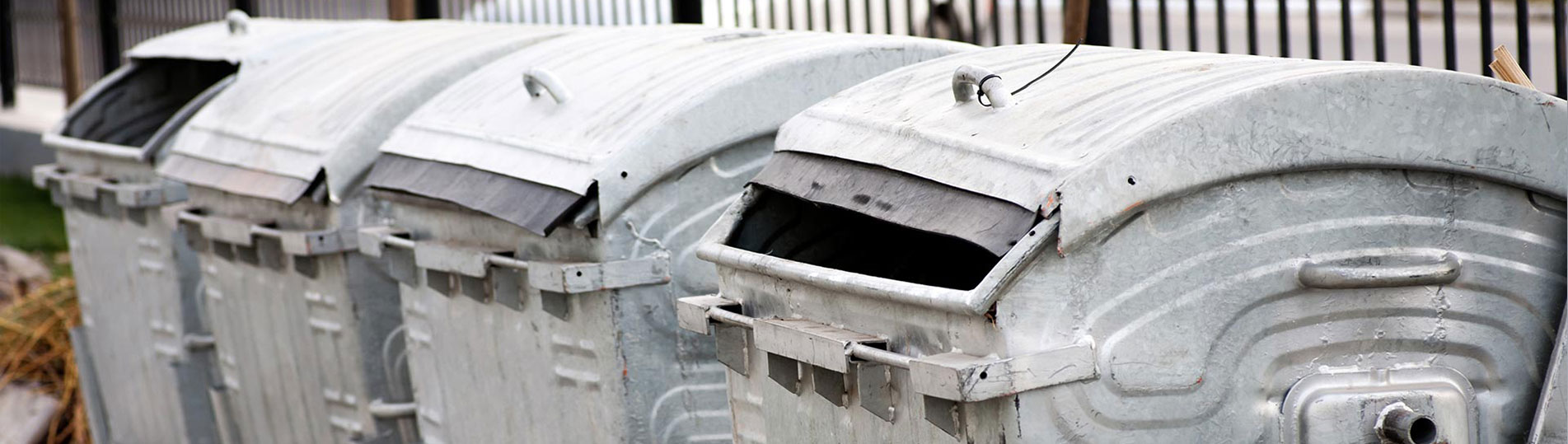
Clearing waste near Madame Tussauds: Marylebone tips
Posted on 14/05/2026
If you are trying to sort rubbish, renovation debris, or a full property clear-out near Madame Tussauds, the details matter more than people think. This part of Marylebone is busy, tightly run, and full of mixed-use buildings, visitor traffic, narrow streets, and time-sensitive access. That means a simple waste job can turn awkward pretty quickly if you do not plan it properly.
This guide on Clearing waste near Madame Tussauds: Marylebone tips walks through the practical side of local waste removal: how it works, what to watch for, what makes life easier, and how to avoid the classic mistakes that waste time and money. Whether you are a homeowner, landlord, shop manager, office tenant, or builder, you will find useful advice here. Truth be told, a little preparation goes a long way in this part of London.
For readers who want to explore the wider service landscape first, it can help to look at the full services overview or the more general rubbish clearance in Marylebone page before booking anything.
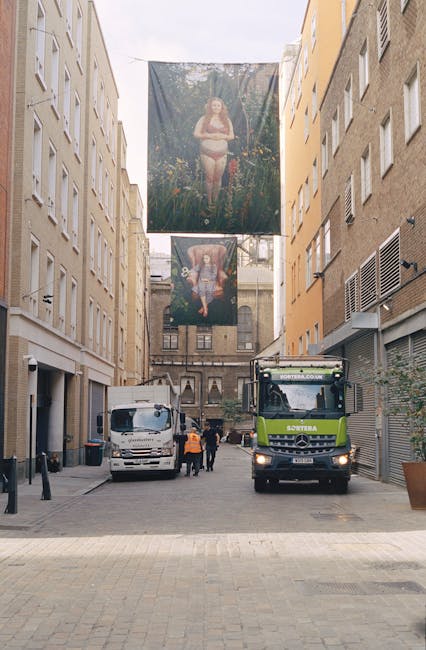
Why Clearing waste near Madame Tussauds: Marylebone tips Matters
Waste clearance in this pocket of Marylebone is not just a matter of moving a few bags into a van. You are dealing with a part of central London where footfall can be heavy, parking can be tight, and building access is often less forgiving than you expect. Near Madame Tussauds, that usually means extra thought around loading, timing, and keeping disruption low.
That matters for residents too. A one-bedroom flat above a busy street, a short-let property being reset between guests, an office with archived files to remove, or a flat undergoing refurbishment all bring different problems. In a place like Marylebone, even a short delay can ripple through the day. Have you ever tried shifting bulky waste while residents are coming and going, bins are already full, and the road outside is half occupied? It can become a bit of a juggling act.
It also matters because the area has a strong reputation to protect. Nearby streets, hotels, medical practices, retail units, and residential buildings all benefit when waste is removed tidily and responsibly. Well-planned rubbish removal helps keep entrances clear, avoids complaints from neighbours, and supports a more orderly streetscape. If you are interested in the local context, the article on Marylebone's landmarks and hidden corners gives a useful sense of why the area needs careful, respectful servicing.
Expert summary: the best waste clearance near Madame Tussauds is rarely the loudest or fastest-looking job. It is the one that is planned, timed, documented, and handled with minimal fuss.
How Clearing waste near Madame Tussauds: Marylebone tips Works
In practical terms, local waste clearance usually follows a fairly simple pattern: assess what needs removing, confirm access, choose the right team and vehicle, load items safely, then dispose of or recycle them properly. The tricky part is the local detail. In central Marylebone, the same job that might be straightforward in a quieter suburb can require more thought because of controlled access, restricted stopping, and limited space to manoeuvre.
A good service will normally ask what type of waste you have, how much there is, whether anything is bulky or heavy, and whether it includes items that need special handling. For example, builders' rubble is not the same as office furniture, and a fridge needs different treatment from cardboard or broken shelving. If you are dealing with renovation debris, the dedicated builders' waste disposal in Marylebone page is especially relevant.
For households, a typical visit might involve furniture removal, bagged general waste, old appliances, or a partial house clearance. For businesses, it may be desks, filing cabinets, mixed office waste, or end-of-lease clutter. You can see the broader support available through house clearance in Marylebone and office clearance in Marylebone.
The process should feel organised, not improvised. If it feels like someone is guessing their way through the job, that is usually your clue to slow down and ask more questions. The best teams are boring in a good way: punctual, clear, and careful with the details.
Key Benefits and Practical Advantages
There are some obvious benefits to professional waste clearance, and a few that people only notice after the job is done.
- Less disruption: rubbish is removed in one controlled visit instead of dragging the job out over several trips.
- Better access management: local teams are more likely to understand how to work around tight Marylebone streets and busy arrival windows.
- Safer handling: heavy or awkward items are moved without you risking a strained back or a scratched wall.
- Cleaner finish: once clutter is gone, spaces immediately feel easier to use, rent, sell, or refurbish.
- Improved recycling: good operators sort waste for reuse or recycling where possible rather than sending everything to the same place.
For landlords and property managers, the practical upside is often speed. If a flat needs to be turned around between tenancies, a smooth clearance can save the whole schedule from getting messy. For homeowners, it is often more emotional than people expect. You look around at a room full of old items and suddenly it feels like the place is breathing again. Small thing, but real.
If sustainability matters to you, it is worth reading the local recycling and sustainability information too. It helps set realistic expectations about how reusable materials are typically separated and where responsible disposal fits in.
| Benefit | What it means in practice | Why it matters near Madame Tussauds |
|---|---|---|
| Faster turnaround | Items are removed in one organised visit | Helps reduce disruption in a busy central location |
| Safer lifting | Trained handlers deal with heavy or awkward items | Useful in narrow stairwells and older buildings |
| Better sorting | Waste can be separated for reuse or recycling | Supports cleaner, more responsible disposal |
| Less stress | Someone else manages the logistics | Makes a tricky local job feel manageable |
Who This Is For and When It Makes Sense
This kind of service suits a surprisingly wide range of people. If you are near Madame Tussauds, you are probably dealing with one of these situations.
- Residents clearing out old furniture, loft clutter, broken appliances, or post-renovation debris.
- Landlords and agents preparing a property after a tenancy or before marketing it.
- Office managers getting rid of desks, packaging, archived papers, and obsolete equipment.
- Builders and tradespeople needing quick removal of mixed construction waste.
- Hospitality or retail operators managing packaging, fixtures, or fit-out waste.
It makes sense any time the volume is too much for normal bin collections, too awkward for a standard vehicle, or too urgent to tackle over a weekend. Some people try to do it themselves, and fair enough, if it is a few light bags and you already have transport. But once the job includes stairs, bulky items, or time pressure, the balance changes quickly.
Local context matters here. Marylebone is an area where people often live or work in compact spaces, and the mix of residential and commercial buildings means waste can pile up in a very visible way. If you are unsure whether the job is more of a house clearance, office clearance, or general rubbish collection, the page matching your rubbish removal needs can help you think it through before you book.
Step-by-Step Guidance
Here is a simple, practical way to approach waste clearance near Madame Tussauds without overcomplicating it.
- Sort the waste by type. Separate general rubbish, furniture, cardboard, electrical items, and construction debris if you can.
- Identify any awkward items. Note anything heavy, sharp, fragile, or difficult to carry downstairs.
- Check access early. Think about lifts, narrow hallways, parking, loading space, and any time restrictions.
- Measure rough volume. You do not need a perfect calculation, but it helps to know whether it is a few bags, a single room, or a full clearance.
- Ask about disposal handling. Make sure the provider explains how items will be reused, recycled, or disposed of.
- Book a time that fits the street. Early morning or quieter windows can make a real difference in busy parts of Marylebone.
- Prepare the items for collection. Put smaller waste in manageable stacks or bags, and keep pathways clear.
- Do a final sweep. Check cupboards, corners, and under desks so nothing is accidentally left behind.
If you have a mixed job, such as renovation waste plus old furniture, tell the provider up front. That is one of the easiest ways to avoid awkward surprises. A crew can work with almost anything, but not if the job description changes on arrival. That is where friction begins.
And yes, a little planning saves money too. Not always dramatically, but enough to matter. One extra conversation beforehand can save a second visit later. Nobody wants that.
Expert Tips for Better Results
The best waste clearance jobs near Madame Tussauds usually come down to a few practical habits. Nothing flashy. Just solid local common sense.
1) Book with the street in mind
Marylebone is not the place to assume loading will be effortless. If there is a hotel nearby, a busy pedestrian flow, or roadworks in the area, timing matters more than usual. Even a short delay can create unnecessary hassle. Choose a slot that reduces pressure wherever possible.
2) Keep items grouped by category
When waste is mixed too freely, sorting becomes slower and more awkward. If you can separate cardboard, furniture, green waste, and builder's debris, do it. You do not need a military operation. Just a bit of order.
3) Protect surfaces and shared spaces
Older Marylebone buildings can have narrow stairs, polished floors, and shared entrances that deserve care. Ask how the team will protect walls, lift areas, and communal hallways. That small question is often a good sign of an experienced operator.
4) Think about what can be reused
Some items do not need to become waste at all. Good-quality furniture, fixtures, or materials may be suitable for reuse. This is where a service with a strong sustainability approach can make a real difference.
5) Keep paperwork simple but tidy
If the clearance is connected to a tenancy ending, refurbishment, or business changeover, keep your photos, booking confirmation, and item list together. Not glamorous, but very handy if you need to refer back later.
One small human tip: stand in the room for thirty seconds before the team arrives and look at it from the doorway. You will often spot the one item everyone forgets, usually tucked behind a chair or in the back of a cupboard. Happens all the time.
If security and standards matter to you, the page on insurance and safety is worth checking as part of your decision-making.
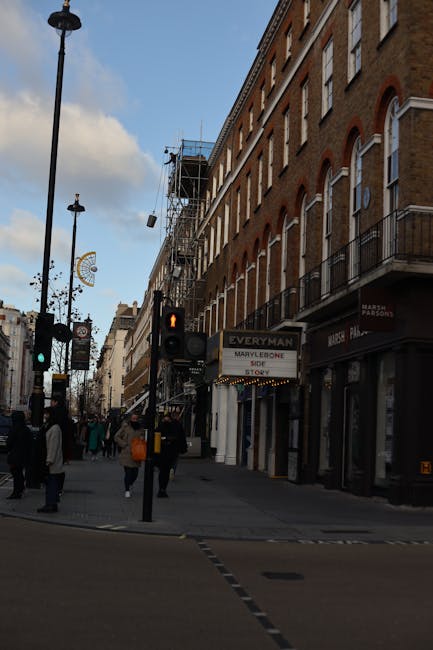
Common Mistakes to Avoid
Most clearance headaches are avoidable. The problems tend to repeat, which is useful in a way, because it means you can sidestep them once you know what to look for.
- Underestimating volume: what looks like "a few bags" can quickly become a van full once furniture is added.
- Forgetting access details: if a lift is out of service or parking is restricted, the job can slow down fast.
- Leaving sorting until the last minute: this makes it harder to separate recyclable items from mixed waste.
- Not mentioning bulky items: sofas, wardrobes, mattresses, and appliances all affect planning.
- Choosing purely on price: the cheapest option is not always the one that handles the job cleanly or responsibly.
- Assuming all waste is the same: electrical items, builders' waste, and garden waste may be handled differently.
A surprisingly common one is forgetting that someone still has to carry the waste through the building. It sounds obvious. Yet in the rush to clear a flat or office, people sometimes leave everything stacked behind a locked door or in a back room with no route out. That slows everybody down.
If you are working on a property changeover, the local reading on Marylebone property market insights and the real estate buying guide can also help you understand why presentation and timing matter so much in this area.
Tools, Resources and Recommendations
You do not need specialist equipment for every clearance, but a few simple tools can make the job easier if you are doing any prep yourself.
- Heavy-duty bin bags for smaller mixed waste.
- Labels or masking tape to mark items that are staying, going, or being recycled.
- Gloves for handling dustier or rougher materials.
- Measuring tape if you need to estimate bulky items or access gaps.
- Phone camera for quick before-and-after photos and inventory notes.
- Trolley or sack truck if you are moving items short distances in a safe, flat area.
In terms of resources, start with the service pages that match your situation. A general clearance is usually covered by waste removal in Marylebone, while specialist jobs may be better matched to specific pages such as garden waste removal or office and builders' services. That is often the cleanest route because it keeps expectations realistic from the outset.
For company background and service ethos, about us gives a useful overview of who is behind the work. If you are comparing job types, their best rubbish pickup on Baker Street article is also a handy nearby reference point.
Small aside, but it matters: if a provider cannot clearly explain what happens to your waste, that is not ideal. You should never feel rushed past the disposal question.
Law, Compliance, Standards, or Best Practice
For waste clearance in the UK, the safest approach is always to use a provider that can explain how waste is handled responsibly and lawfully. You do not need to become a compliance expert yourself, but you do need enough understanding to ask sensible questions.
Best practice usually includes:
- clear identification of what is being removed,
- careful handling of recyclable and reusable items,
- appropriate treatment of electricals, bulky goods, and building waste,
- tidy collection that avoids public obstruction where possible,
- transparent pricing and clear terms before work starts.
For anything that involves safety, access, or responsibility during the job, it is sensible to review the provider's insurance and safety information. If you are booking online or sharing details, their privacy policy and terms and conditions are also worth a quick look. Not thrilling reading, granted, but they tell you a lot about how the company works.
Pricing transparency matters too. Waste jobs can vary widely depending on size, access, and waste type, so a realistic quote is better than a vague promise. If you are comparing options, the pricing and quotes page is a logical next stop.
Best-practice note: if a job includes potentially hazardous or unusual materials, ask about them upfront. Do not leave the question hanging. That is one of those little things that prevents big headaches later.
Options, Methods, or Comparison Table
There are several ways to handle waste near Madame Tussauds, and the best choice depends on the type of waste, your timing, and how much effort you want to put in. Here is a practical comparison.
| Method | Best for | Pros | Limitations |
|---|---|---|---|
| Self-removal | A few small bags or light items | Can be low-cost if you already have transport | Time-consuming, physical work, tricky with bulky items |
| Man-and-van clearance | Mixed household or office waste | Flexible, usually faster, less lifting for you | Needs clear access and accurate item description |
| Specialist clearance | Builders' waste, large clearances, or unusual items | Better handling of specific waste types | May require more planning and detailed quoting |
| Skip hire | Longer projects with steady waste generation | Useful for ongoing renovations | Needs space, permits may be relevant, and loading is your job |
For many central Marylebone customers, a clearance service is the most convenient choice because it combines removal, lifting, and disposal in one step. Skip hire can make sense for a longer project, but near busy central streets it is not always the neatest option. If you are still deciding, start with the service that matches the waste rather than the one that sounds simplest on paper.
Case Study or Real-World Example
Here is a realistic example from the sort of work this area often produces.
A small flat near the Marylebone Road needed clearing after a short tenancy ended. The space included an old sofa, a broken coffee table, a mattress, mixed household bags, and a few bits of leftover packaging from a recent move. Nothing dramatic, but the flat was on an upper floor, the staircase was narrow, and the building had shared access. The resident also wanted the job done before a new carpet was fitted two days later.
The sensible approach was to sort items in advance, confirm access times, and keep the hallway clear for the removal team. The bulky items were moved first, then the loose bags, then a final check of cupboards, shelves, and behind doors. That final check mattered. There was a lamp base hidden under a desk that nearly got missed. Classic.
The end result was simple: the property was cleared in one visit, the room was ready for the carpet installation, and the resident did not need to make multiple trips to a recycling centre. More importantly, the whole thing stayed calm. No scrambling, no last-minute chaos, just a tidy handover.
That is really the aim near Madame Tussauds and across Marylebone: not just "remove waste", but do it cleanly, respectfully, and without interrupting everyone else's day.
Practical Checklist
Use this checklist before your collection day. It is simple, but it catches most avoidable issues.
- Identify exactly what needs removing.
- Separate general waste, furniture, electrical items, and builder's waste if possible.
- Measure large items and note anything especially heavy.
- Check access routes, stairs, lifts, and parking/loading restrictions.
- Confirm the collection time and any arrival instructions.
- Ask how recyclable items will be handled.
- Keep fragile, valuable, or personal items well away from the clearance area.
- Take quick photos for your own records if needed.
- Make sure communal areas are clear and safe.
- Do one last walk-through before the team arrives.
Quick takeaway: the smoother your prep, the more likely the clearance will feel almost effortless. That is the aim. Not perfect, just calm and efficient.
Conclusion
Clearing waste near Madame Tussauds is all about local awareness, good timing, and practical judgement. Marylebone is a polished, busy part of London, so a successful waste job needs to be tidy, respectful, and planned around real-world access constraints. Whether you are clearing a flat, an office, a retail space, or building debris, the right approach saves time and avoids stress.
The main thing is not to overcomplicate it. Sort what you can, explain the job clearly, and choose a service that understands central London conditions. If you do that, even a messy clearance starts to feel manageable. And once the clutter is gone, the space usually feels better straight away. Brighter. Lighter. Easier to move through.
If you are ready to take the next step, compare the most relevant service pages, think through your access details, and request a quote that reflects the actual job rather than a rough guess.
Get a free quote today and see how much you can save.
Sometimes the best local improvement is simply getting the unwanted stuff out of the way, properly and without fuss. That part never gets old.
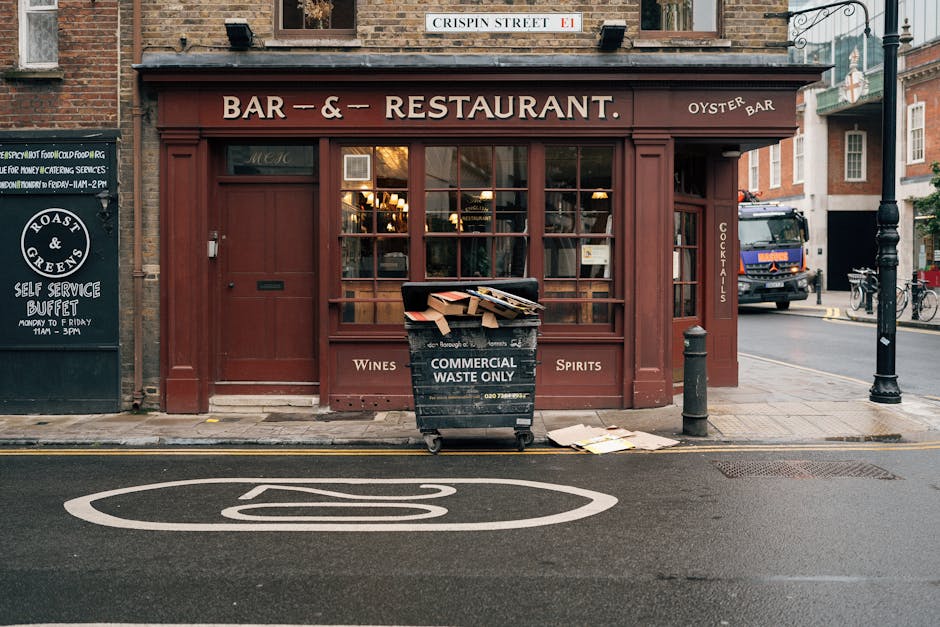

From a young age, Blair has cultivated a passion for order, which has now matured into a prosperous profession as a waste removal specialist. She derives satisfaction from transforming disorderly spaces into practical ones, aiding clients in conquering the burden of clutter.
 Tipper Van - Waste Collection and Rubbish Clearance Prices in Marylebone, W1
 Luton Van - Waste Collection and Rubbish Clearance Prices in Marylebone, W1