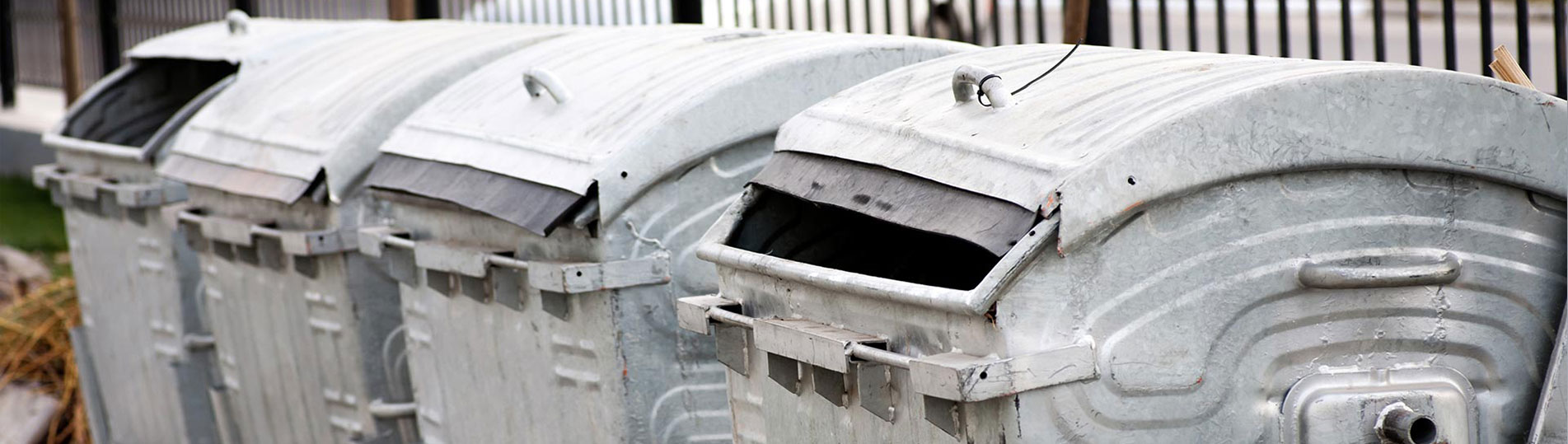
Fines and legal risks for improper disposal in Marylebone
Posted on 29/07/2026

If you live, work, manage property, or oversee a refurbishment in Marylebone, rubbish disposal is not just a housekeeping task. Done badly, it can quickly become a legal headache. The fines and legal risks for improper disposal in Marylebone can affect tenants, landlords, tradespeople, businesses, and even people who thought they were "just leaving a bag out for later".
That is the awkward bit: what feels like a small shortcut can be treated as fly-tipping, unlawful dumping, or a breach of local rules. In a busy part of Westminster, where pavements are narrow, residents are close together, and enforcement can be sharp, it pays to understand the basics before you move a single sofa or sack of waste. This guide breaks down the risks in plain English, explains how compliance works, and shows you the safest way to handle waste in Marylebone without overcomplicating things.
Why Fines and legal risks for improper disposal in Marylebone Matters
Marylebone is one of those places where the street scene looks calm, but waste issues can escalate quickly. A mattress left by a bin store, builders' rubble bagged badly, or office furniture abandoned outside after dark may seem minor at first. In practice, it can trigger complaints, inspections, removal costs, penalties, and an avoidable paper trail.
Improper disposal matters for three reasons. First, there is the obvious civic side: dumped waste makes streets look neglected and can attract pests, odours, and more dumping. Second, there is a financial side: a penalty or clearance bill can be far more expensive than arranging lawful removal in the first place. Third, there is the legal side, and this is where people often get caught out. Liability does not always stop with the person who physically moved the waste. If you hired the wrong carrier, failed to check documentation, or gave away responsibility too casually, you may still find yourself dealing with the mess.
In Marylebone, this can matter even more because the area mixes residential blocks, boutiques, offices, refurbishments, landlord-managed buildings, and short-notice clearances. That means waste moves in and out constantly. A bit of carelessness can show up very publicly, very fast. To be fair, most people do not set out to break any rules. They just underestimate how quickly a rushed decision turns into a formal problem.
For local residents looking to stay on the right side of things, it is worth understanding how waste handling fits into broader area living. If you are weighing up longer-term practicality in the neighbourhood, the article on whether Marylebone is a good home adds useful local context. And if you want a broader view of rubbish services, the services overview page helps show the range of support available.
How Fines and legal risks for improper disposal in Marylebone Works
There is no single "one size fits all" penalty for improper disposal. The outcome depends on what happened, where it happened, who was involved, and whether the waste was left in a public place, on private land, or passed to someone who was not properly licensed or equipped to handle it.
In simple terms, the process usually works like this:
- Waste is left, deposited, or handed over in a way that does not meet local requirements or legal duties.
- Someone reports it, or enforcement officers notice it during routine checks.
- Evidence is gathered. This might include location details, photographs, item labels, invoices, vehicle sightings, or links to a property.
- The council or relevant authority decides whether the case is an offence, a civil matter, or something that needs formal follow-up.
- Financial penalties, removal charges, warnings, or further legal action may follow.
The key point is that liability can attach in different ways. A homeowner who puts items out incorrectly may be responsible. A landlord who tells a contractor to "sort it" without checking properly may also have exposure. A business that lets waste pile up outside its premises can create a public nuisance and invite enforcement. And if a contractor dumps waste on your behalf and you did not do your basic checks, you may still be asked difficult questions later.
One of the more common mistakes is assuming that paying someone to take rubbish means the matter is closed. It is not that simple. If the waste ends up fly-tipped, or if the company you used was not legitimate, the paper trail matters. That is why many Marylebone residents prefer a documented, clearly described collection rather than a vague verbal arrangement. If you are comparing service types, the page on rubbish clearance in Marylebone is a sensible place to start, and for mixed loads or recurring disposal needs, waste removal in Marylebone may be the better fit.
Another thing people forget: illegal disposal is not limited to bags on a pavement. It can include leaving waste beside communal bins, blocking access routes, dumping builders' waste near a skip, placing items out on the wrong day, or handing waste to someone who says they will "take it off your hands" but cannot show a proper chain of responsibility. Bit of a minefield, really.
Key Benefits and Practical Advantages
Getting disposal right is not just about avoiding punishment. There are real practical benefits, and in Marylebone those benefits are often felt quickly.
- Lower risk of fines or notices: If waste is handled correctly, you reduce the chance of civil penalties, remedial costs, or follow-up enforcement.
- Cleaner common areas: Proper collection keeps entrances, mews, pavements, and bin stores usable. That matters in shared buildings where one bad pile can inconvenience everyone.
- Less friction with neighbours and managing agents: Nobody enjoys a hallway that smells faintly of old carpet and wet cardboard. Good disposal avoids that sort of tension.
- Better audit trail: Clear receipts, schedules, and notes help if a landlord, agent, or insurer ever asks what happened.
- Safer handling: Heavy, sharp, or awkward waste is less likely to cause injury when moved by people who know what they are doing.
- More predictable costs: Legal, planned disposal is usually cheaper than dealing with a penalty plus emergency clearance later.
There is also a reputation benefit that people underestimate. In a well-kept area like Marylebone, a tidy frontage sends the right signal. It tells neighbours, visitors, and property managers that things are under control. If you are a landlord or business owner, that counts more than you might think.
For builders and refurb teams, there is another practical upside: properly managed waste is easier to stage, remove, and document. If your project creates mixed debris, you may find the guidance on builders waste disposal in Marylebone especially useful. For greener handling and separation, the page on recycling and sustainability is worth a look too.
Who This Is For and When It Makes Sense
This topic is relevant to more people than you might expect. It is not just for developers or large property managers.
- Residents: If you are clearing a flat, replacing furniture, or getting rid of general household clutter.
- Landlords and letting agents: Especially after tenant move-outs, end-of-tenancy clearances, or storage cupboard clear-outs.
- Office managers: Desks, filing cabinets, e-waste, old packaging, and fit-out debris can all become a compliance issue.
- Tradespeople: Builders, decorators, plumbers, and carpenters need a reliable route for offcuts and rubble.
- Event organisers: Party waste, temporary furniture, drinks packaging, and decorations can create a surprisingly awkward after-job if not handled properly.
- People dealing with urgent clearances: Sometimes life happens, and you need items removed quickly rather than neatly over a week.
For example, if you have an office move or a premises refresh, it is worth reading the office clearance Marylebone page before you decide how to handle old furniture, monitors, and paper waste. Likewise, for larger household jobs, the house clearance Marylebone service is often the cleaner option than trying to self-manage a series of awkward trips.
And yes, sometimes a sofa really does become a legal issue. One person's "temporary placement" becomes another resident's blocked entrance. That is how these things happen.
Step-by-Step Guidance
If you want to reduce legal risk in Marylebone, a simple process is usually best. No drama, just a few sensible checks.
- Identify the waste correctly. Separate household rubbish, bulky items, garden material, builders' debris, and anything hazardous or electrical.
- Check where it will go. Decide whether it can be collected, recycled, taken to a facility, or needs specialist handling.
- Use a lawful disposal route. Make sure the person or company removing it is appropriate for the type and volume of waste involved.
- Keep records. Save invoices, collection notes, and any written confirmation of what was removed.
- Do not leave items where passers-by can mistake them for abandoned waste. This is a classic route into complaints.
- Check timing and access. In a place like Marylebone, narrow streets and parking limitations can affect how and when waste should be moved.
- Follow up on completion. Make sure the waste is actually gone, not shifted behind a wall or left in a common area. Sounds obvious. Happens anyway.
If you are dealing with a one-off bulky item, the article about bulky sofa pickup in Marylebone gives a useful sense of timing and practical expectations. For last-minute situations, emergency flat clearance in W1 may be closer to what you need.
One more point: if waste is generated by works in or near busy streets, you need to think about public access. Around Baker Street or Marylebone High Street, an item left outside for "just a bit" can become a visible issue much faster than people expect. It is not especially glamorous, but it is real life.
Expert Tips for Better Results
Here are the habits that tend to keep people out of trouble.
- Take photos before and after. It helps if there is ever a dispute about what was removed.
- Ask what happens to mixed waste. A good operator should be able to explain sorting, recycling, and disposal pathways in plain language.
- Be precise about the load. "A few bits of furniture" is not very helpful. "One wardrobe, two chairs, and three sacks of household waste" is better.
- Plan around access. Stairwells, lifts, loading areas, and resident-only entry points can affect how quickly waste can be removed.
- Do not assume the cheapest option is the safest. Sometimes hidden extras are the least of the problem; the real issue is whether the operator is legitimate.
- Ask for insurance and process detail if the job is tricky. For anything heavy or awkward, that small conversation can save a larger headache later.
A practical local observation: Marylebone buildings often have shared entrances, porter arrangements, and resident expectations that are not always obvious to outsiders. If you are not familiar with the building, ask first. It saves embarrassment. And steps. Lots of steps, sometimes.
If you want to check how reputable operators present safety and handling standards, the insurance and safety page is a good reference point. For transparent budgeting, the pricing and quotes information can also help you compare properly rather than guessing from a vague phone estimate.

Common Mistakes to Avoid
Most disposal problems come from a small number of repeat mistakes. The irritating part is that they are easy to avoid once you know them.
- Leaving bags beside bins and hoping for the best. That is one of the fastest ways to create complaints.
- Using an unverified carrier. If someone cannot clearly explain what they do with the waste, pause there.
- Mixing hazardous items into ordinary rubbish. Batteries, chemicals, paint, and some electrical items need extra care.
- Assuming the building staff will deal with it. They may not have the authority or facilities to do so.
- Ordering a skip without checking local restrictions. Permits, placement, and street conditions can all matter.
- Rushing a refurbishment clear-out. Quick jobs are where details get missed, and details are where fines tend to live.
A common one in Marylebone is furniture being moved outside "just for collection" and then sitting there while someone sorts out access or transport. The street changes. The light changes. People notice. That is often when a routine clear-out starts drifting into an enforcement risk.
For that reason, if your job involves skip placement or a larger project, the page on Westminster permit limits for skip hire in Marylebone W1 is especially relevant. If you are unsure about local fly-tipping concerns, the guide to Westminster council rules on fly-tipping in Marylebone is also worth reading.
Tools, Resources and Recommendations
You do not need a complicated toolkit to stay compliant. A few simple habits and documents go a long way.
- A waste inventory: A rough list of what you are getting rid of, including quantity and type.
- Photo records: Handy for proving condition and contents before removal.
- Written job notes: Useful for landlords, agents, and businesses that need traceability.
- Clear access arrangements: Lift bookings, loading instructions, or porter notes if relevant.
- A reliable disposal plan: Regular collections for offices, one-off clearances for homes, and specialist handling for builders' waste.
When you are choosing the method, think in terms of fit, not just speed. A same-day move may be fine for urgent bulky waste, but a planned clearance may be better for a larger flat or office. If you want an overview of the broader options, the page your rubbish removal needs is useful because it helps match service type to actual situation.
For locally specific jobs, these pages can also help you narrow the best route: garden waste removal Marylebone for outdoor clear-ups, and house clearance Marylebone if you are clearing a full property or several rooms at once.
Law, Compliance, Standards, or Best Practice
When people talk about improper disposal, they usually mean three overlapping things: fly-tipping, breach of waste duty, and poor handling of controlled materials. The exact legal outcome can vary, but the safest approach is always the same: keep waste contained, transfer it to the right party, and document the handover.
In practical UK terms, compliance usually means:
- using a suitable and legitimate waste carrier for the material involved;
- keeping waste separate where special handling is required;
- not leaving rubbish in public spaces or communal areas where it could be treated as abandoned;
- following building, landlord, or estate instructions where they apply;
- making sure loading, access, and timing do not create a nuisance or obstruction.
Best practice is often more important than the letter of a single rule. For example, if you are moving items from a property in Marylebone, it is better to have a clear appointment, a clear vehicle, and a clear paper trail than to improvise with a quick lift from a friend's van. Legal risk tends to increase when the chain of responsibility becomes fuzzy.
It is also sensible to be careful with hazardous or specialist items. Some materials cannot simply be mixed into standard rubbish streams. If you are not sure, pause and ask. That slight delay is cheaper than a fine, and much less annoying than having to explain yourself later.
Businesses should be especially careful because a visible waste issue outside a shop, office, or venue can affect reputation as well as compliance. If you manage a premises or operate from a busy local street, a planned and traceable approach is better than a hopeful one. Not exactly thrilling, but it works.
Options, Methods, or Comparison Table
Different disposal methods suit different situations. Here is a straightforward comparison that may help you choose.
| Method | Best for | Main risk if done badly | Practical note |
|---|---|---|---|
| Kerbside leaving | Very occasional council-style collection where permitted | Items being treated as fly-tipped or abandoned | Only suitable when timing, rules, and presentation are correct |
| Self-haul | Small loads, people with vehicles, planned trips | Improper sorting, unsecured transport, missed disposal steps | Can work well if you have time and know the destination |
| Skip hire | Refurbishments and larger volumes | Permit issues, overfilling, roadside nuisance | Needs planning and the right placement |
| Professional clearance service | Homes, offices, bulky waste, mixed loads | Low if the provider is reputable; higher if not checked | Often the simplest route for Marylebone access constraints |
| Ad hoc handover to an unknown collector | Not recommended | High legal and reputational risk | Usually the sort of shortcut that causes regret later |
For Marylebone-specific bulky collections, the page on same-day bulky waste service on Marylebone High Street is a handy pointer. If you are dealing with furniture that needs careful dismantling first, the guide to Wimpole Street furniture disassembly and removal offers a good practical angle.
Case Study or Real-World Example
Consider a simple real-world scenario. A flat in Marylebone is being cleared after a long tenancy. There is a sofa, a wardrobe, some broken shelves, and several sacks of general waste. The landlord wants the items gone quickly because new cleaners are booked for the next morning.
The risky approach would be to stack everything outside the building "for collection later", especially if the ground floor entrance is visible from the street. If the collection is delayed, or if the items are moved by someone else, the arrangement can look like abandoned waste. Neighbours complain, the managing agent gets involved, and suddenly everyone is explaining what happened. No one enjoys that at 8:15 on a damp Tuesday.
The safer approach is more orderly. The contents are listed, the bulky items are separated, the removal is scheduled, and the transfer is documented. If there is a tight turnaround, the team can arrange the move so waste leaves the property without lingering in a communal area. The result is not just cleaner. It is calmer. That matters more than people think.
In another common case, a small office near Baker Street upgrades its furniture. Old desks, printers, and packaging are left in a back stairwell because everyone assumes another person is handling it. A week later, the pile has grown, and it starts to create friction with the building manager. The issue was not malice. It was drift. That is often how legal risk starts: not with a grand wrongdoing, but with a series of tiny "someone else will do it" decisions.
If you are managing this kind of situation, a dedicated office or mixed-clearance route is usually more effective than ad hoc disposal. The articles on best rubbish pickup on Baker Street and spotting hidden fees with Marylebone rubbish companies can help you compare service quality and avoid unhelpful surprises.
Practical Checklist
Use this quick checklist before any disposal job in Marylebone:
- Have I identified the waste correctly?
- Do I know whether any item needs special handling?
- Is the waste staying inside the property until collection?
- Have I chosen a lawful disposal method?
- Have I checked access, timing, and building rules?
- Do I have a written record of what is being removed?
- Have I confirmed who is responsible after handover?
- Will the load be removed in one go rather than left half-finished?
- Have I considered neighbours, shared access, and street visibility?
- Am I confident the plan will not create a public nuisance?
Practical summary: if a disposal plan is vague, it is probably risky. If it is documented, timely, and matched to the type of waste, it is usually far safer. That is the basic rule, and honestly, it saves a lot of grief.
Conclusion
Fines and legal risks for improper disposal in Marylebone are easy to underestimate because the issue often starts with something small: a bag left too long, a bulky item placed badly, or a contractor chosen too quickly. But the consequences can stretch beyond money. They can affect neighbours, landlords, businesses, and the general feel of a building or street.
The good news is that staying compliant is not complicated. Use a clear disposal route, keep records, avoid leaving waste where it does not belong, and choose services that understand local access and handling needs. That mix of common sense and a little preparation goes a long way in a busy part of Westminster. And once it is sorted, you really do feel the difference. The space looks better, the air feels lighter, and one less thing is hanging over your head.
If you are planning a clearance or need a more structured disposal approach, review the options that fit your situation and compare them carefully. A bit of planning now can save a lot of trouble later, which is usually the better bargain.
Get a free quote today and see how much you can save.


From a young age, Blair has cultivated a passion for order, which has now matured into a prosperous profession as a waste removal specialist. She derives satisfaction from transforming disorderly spaces into practical ones, aiding clients in conquering the burden of clutter.
 Tipper Van - Waste Collection and Rubbish Clearance Prices in Marylebone, W1
 Luton Van - Waste Collection and Rubbish Clearance Prices in Marylebone, W1