Free quote for Marylebone office clear-outs and rubbish
Posted on 08/09/2026
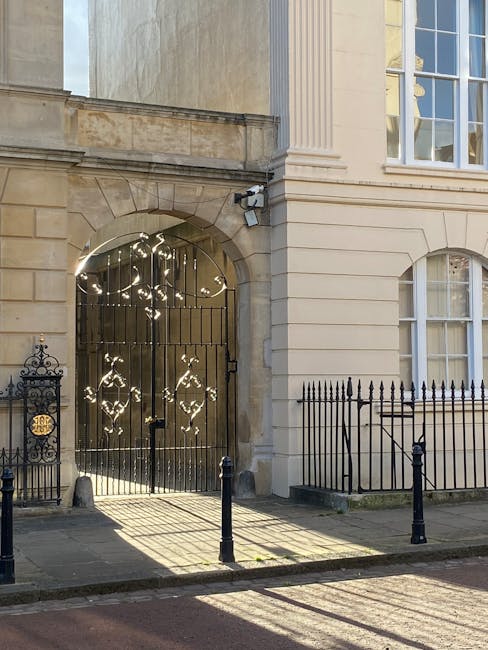
If your office in Marylebone is filling up with old desks, broken chairs, archived paper, or just the kind of clutter that quietly multiplies in a cupboard corner, you are not alone. A free quote for Marylebone office clear-outs and rubbish is often the quickest way to understand what can be removed, what it may cost, and how soon the job can be handled without turning your working week upside down. In a busy area like Marylebone, where access, time windows, and building rules can all matter, getting the numbers straight early saves a lot of stress later.
This guide breaks the process down in plain English. You will learn how office clear-outs are priced, what affects the quote, which mistakes to avoid, and how to choose the right service for your building, schedule, and budget. Truth be told, a good quote should feel clear, not slippery.
Why Free quote for Marylebone office clear-outs and rubbish Matters
A clear-out is rarely just "taking out some rubbish". In an office, you may be dealing with furniture, packaging, IT equipment, confidential waste, old stock, or a mix of everything at once. That is why a free quote matters: it helps you understand the scope before anyone arrives with a van and starts lifting. It also gives you a chance to check whether the provider actually understands office work, or whether they mainly do general household removals and hope for the best.
Marylebone brings its own practical quirks. Shared entrances, concierge requirements, lift bookings, loading restrictions, and tight streets can all affect how an office clearance is planned. A quote that accounts for these realities is usually far more useful than a vague "ballpark" from a call centre somewhere. If you want to compare service scope as well as pricing, it can help to look at the wider services overview alongside your quote request.
There is also a trust angle. A proper quote helps you spot hidden add-ons before the work begins. That matters for businesses that need tidy invoices, fewer surprises, and a clean trail for facilities or finance teams. Nobody wants to spend Friday afternoon chasing an extra charge because someone forgot to mention a stair carry fee. We have all seen that movie, and it is not a good one.
How Free quote for Marylebone office clear-outs and rubbish Works
Most reputable office clearance providers will use one of three approaches: a quick remote estimate, a photo-based quote, or a site visit. Sometimes the job starts with a simple email or phone conversation, then moves into more detail once the team sees the furniture volume, access points, and waste type. The quote should be free, clear, and tied to what actually needs removing.
In practical terms, the provider will usually ask for a few basics:
- what needs clearing
- rough quantity or room count
- floor level and lift access
- parking or loading restrictions
- whether any items need dismantling
- if there is confidential or sensitive material
- your preferred date and time window
For example, a small office with six desks, one filing cabinet, a broken printer, and a few bags of mixed waste can often be priced quickly from photos. A larger site, especially if it includes archive rooms, heavy furniture, or bulky builder-style waste from refits, may need a closer look. For construction-related office fit-out debris, builders waste disposal in Marylebone can be the more suitable route.
A useful quote should tell you what is included, not just the total. That can mean labour, loading, disposal, recycling, and VAT where relevant. If the provider gives you a list of exclusions too, even better. It sounds obvious, but clarity is the whole point.
Key Benefits and Practical Advantages
The biggest benefit is control. Once you have a free quote, you can compare options and decide whether to book immediately, postpone the job, or split it into phases. That is especially useful if your office is still open and you need to work around staff, clients, or a building manager.
Other practical advantages include:
- Budget clarity: you can plan around a real figure instead of guessing
- Time savings: you avoid phoning around blind
- Lower disruption: the team can plan the clearance around your working hours
- Better waste handling: mixed office waste can be separated sensibly
- Safer workspaces: less clutter means fewer trips, blocked fire routes, or awkward pile-ups near doors
Another quiet benefit is morale. An office that is easy to move through feels different. You notice it the moment a back room stops being a graveyard for old monitors and tangled cables. People breathe easier. The place looks sharper. Even the kettle corner seems a bit less tragic.
If your office is part of a broader move, refurbishment, or end-of-lease handover, you may also want to compare the job with office clearance in Marylebone and waste removal in Marylebone so you can match the service to the size and urgency of the project.
Who This Is For and When It Makes Sense
This kind of quote makes sense for a wide range of people, not just large companies. In Marylebone, we often see interest from small professional firms, shared offices, clinics, creative studios, estate managers, landlords, and businesses preparing for a move or refit. It also suits anyone who has inherited a cluttered office space and needs to get it back under control fast.
It can be particularly helpful if you are dealing with:
- an office relocation
- an end-of-lease clean-up
- old furniture from a redesign
- archive and storage room clear-outs
- bulky waste after maintenance work
- urgent rubbish removal before inspections
For smaller, more straightforward jobs, a standard rubbish collection may be enough. For example, if the only issue is a couple of broken chairs and some packaging, a regular rubbish clearance in Marylebone may do the job neatly. On the other hand, if the office needs a full sweep, from desks and shelving to paper archives and leftover fixtures, a dedicated clearance is the smarter choice.
There is no prize for making the job harder than it needs to be. If the room looks like it has been storing decisions from three different decades, this is probably your sign.
Step-by-Step Guidance
Here is a straightforward way to handle a free quote without wasting time.
- List everything that needs removing. Walk through the office and note desks, chairs, screens, shelving, boxes, cables, and waste bags. Be honest about the awkward stuff too.
- Separate items by type. Furniture, general rubbish, electricals, paper waste, and potentially sensitive material may be handled differently.
- Take clear photos. A few decent images often speed up the estimate and reduce misunderstandings later.
- Check access details. Mention stairs, lifts, parking, controlled entry, and any building rules that could affect loading.
- Ask what is included. Make sure labour, disposal, recycling, dismantling, and VAT are all explained.
- Confirm timing. If the office must stay open, ask about morning, evening, or same-day options.
- Review the quote carefully. A good quote should be readable, not a puzzle.
If the job needs rapid turnaround, especially for a tenancy deadline or a last-minute internal move, it may be worth checking a same-day option such as Marylebone same-day bulky waste service or, for urgent situations, emergency clearance services in W1. Even for office jobs, the same principle applies: urgency changes how the work is scheduled.
Expert Tips for Better Results
The best quotes usually come from the best brief. That sounds almost too simple, but it is true. The more precise your description, the less likely you are to run into surprises.
Here are a few practical tips that make a real difference:
- Photograph the full room, not just one corner. Wide shots help show volume.
- Mention heavy or awkward items early. Large cabinets, conference tables, and reception units can affect labour time.
- Flag dismantling needs. If the team must take apart desks or remove wall-fixed shelving, say so up front. For example, the Wimpole Street furniture disassembly and removal guide is a useful reminder of how much access and assembly details matter.
- Ask about recycling. Responsible providers will usually explain what can be diverted from landfill.
- Keep paperwork handy. Building managers and landlords often want proof of insurance or waste handling details.
One more thing: if you are comparing a few quotes, try not to focus only on the cheapest number. A lower price can look brilliant right up until the team arrives without the right equipment, the right timing, or the right plan. That bargain suddenly gets expensive. Funny how that works.
For broader background on responsible handling and recycling, recycling and sustainability is worth reading in parallel with your quote process.

Common Mistakes to Avoid
A lot of quote headaches come from small oversights rather than major problems. The good news is that most of them are easy to avoid.
- Giving vague item counts. "A bit of office rubbish" is not enough for a reliable estimate.
- Forgetting access issues. A job on the third floor with no lift is not the same as ground-floor loading.
- Assuming everything is included. Some quotes exclude disposal fees, parking, or extra labour for dismantling.
- Mixing waste types without saying so. Electrical waste, paper archives, and furniture may need different handling.
- Ignoring building rules. Some sites need pre-booked access or noise-sensitive scheduling.
- Leaving the booking too late. That is especially awkward when you have a deadline. I mean, the office does not pack itself.
Another common issue is not checking the provider's wider service fit. If you are clearing not just rubbish but also furniture, fixtures, or moving stock, it may help to review your rubbish removal needs so you can match the work to the right service type from the start.
Tools, Resources and Recommendations
You do not need specialist software to request a quote, but a few simple tools make the process smoother.
- A phone camera for room-by-room photos
- A basic inventory list in Notes, Excel, or even a paper sheet
- Access details for the building manager, concierge, or facilities team
- Measurement notes for unusually large furniture
- Calendar access so you can lock in a date quickly once the quote is approved
If you are handling the work as part of a wider office or property process, it can also help to browse related local guidance. For instance, pricing and quotes can give you a sense of how quote requests are normally handled, while about us can help you understand the company behind the service before you commit.
For businesses with a landlord or managing agent, ask whether they need any proof of removal scheduling. A two-minute check can save you a half-day of email back-and-forth. Not glamorous, but very useful.
Law, Compliance, Standards, or Best Practice
Office clear-outs sit in a practical space where legal compliance and best practice meet. The exact rules can vary depending on the type of waste, the building, and the local arrangement, so it is wise to treat compliance carefully rather than casually.
In UK practice, businesses are generally expected to use responsible waste handling, especially for mixed waste, electrical items, and anything that could contain confidential data. That means a good provider should be able to explain how items are sorted, transported, and disposed of. If there is paperwork involved, keep it. It is rarely exciting, but it can matter later.
There are also safety and access considerations. A professional team should work with appropriate insurance and take care around corridors, lifts, and shared entrances. If this is a concern for your site, the page on insurance and safety is a sensible companion read.
For businesses generating construction-style debris during an office refurb, skip hire can introduce permit and loading complications, especially where space is tight. That is one reason many organisations prefer a man-and-van clearance approach. If you want to compare the implications, the Westminster permit limits for skip hire in Marylebone W1 article is a useful local reference point. And because improper disposal can create real risk, it is also worth reading the legal risks of improper disposal in Marylebone.
Best practice, in plain language, means this: know what you are handing over, know who is taking it, and know where it is going. Simple enough.
Options, Methods, or Comparison Table
Not every office clearance needs the same approach. The right method depends on volume, access, urgency, and how much of the waste is actually reusable or recyclable.
| Option | Best for | Pros | Watch out for |
|---|---|---|---|
| Free photo quote | Small to medium office clear-outs | Fast, convenient, easy to compare | Less accurate if photos are incomplete |
| Site visit quote | Larger or more complex jobs | Usually the most accurate | Takes more time to arrange |
| Fixed-price clearance | Clear, well-defined jobs | Good budget certainty | Needs a detailed brief first |
| Hourly labour-based service | Flexible, changing jobs | Useful when the scope may shift | Can be harder to predict final cost |
| Same-day collection | Urgent clear-outs | Quick turnaround | May cost more if access or timing is tight |
If you are not sure which route suits you, start with a free quote and let the provider advise. That is often the smartest first step, especially in an area where logistics can be fiddly. A decent team will tell you if you need the full clearance route or just a simpler collection.
For readers weighing different types of local removal work, it can also be useful to look at house clearance in Marylebone if the job crosses over from office into residential or mixed-use space. And if you are dealing with heavy office waste plus packaging and mixed debris, waste removal in Marylebone may be more suitable than a furniture-only service.
Case Study or Real-World Example
Consider a small Marylebone consultancy moving out of a rented suite after a lease change. The office had six desks, a reception chair, two filing cabinets, old display screens, around a dozen boxes of mixed paper waste, and a few pieces of broken furniture that had been "temporarily" stored in a meeting room for months. The facilities manager needed the space cleared before a Friday handover, and the building required stair protection and a narrow time slot for loading.
The team sent photos, included access notes, and asked for a free quote. Because the provider knew there were lift restrictions, dismantling needs, and a deadline, the estimate reflected the real job rather than a generic van fee. The clearance was then split into two practical stages: first the bulky items, then the mixed waste and smaller leftovers. It was not dramatic, but it worked neatly.
The useful bit here is not the exact items. It is the process. The clearer the brief, the better the quote. The better the quote, the fewer awkward surprises on the day. That is usually the whole game.
For businesses near central Marylebone routes, local logistics can matter a great deal. Articles like best rubbish pickup on Baker Street, Portman Estate rubbish removal guide, and clearing waste near Madame Tussauds show how access and location can shape the job more than people expect.
Practical Checklist
Use this checklist before you request or accept a quote.
- List all items to be removed
- Separate furniture, general rubbish, and electrical items
- Take wide-angle photos of each room
- Note stairs, lifts, parking, and loading restrictions
- Confirm whether dismantling is needed
- Ask what is included in the price
- Check if recycling or reuse is part of the service
- Confirm the date, arrival window, and estimated duration
- Make sure the provider has suitable insurance
- Keep a written copy of the quote and booking details
If you are managing a more mixed or seasonal workload, you may also want to compare with garden waste removal in Marylebone for external areas, or review how to spot hidden fees with Marylebone rubbish companies before you sign anything.
Get a free quote today and see how much you can save.
Conclusion
A free quote for Marylebone office clear-outs and rubbish is more than a price check. It is the point where the job becomes manageable. Once you know what needs clearing, how access works, and what the service includes, you can make a proper decision with far less pressure.
That matters in Marylebone, where office spaces can be compact, busy, and full of logistical little wrinkles. A good quote should give you confidence, not confusion. And if the office has been feeling overloaded for a while, getting that first estimate can be a surprisingly relieving moment. A proper reset, basically.
When you are ready, choose the option that feels clear, practical, and safe. The right service will respect your time, your building, and your budget - and that is usually the best sign you have picked well.


From a young age, Blair has cultivated a passion for order, which has now matured into a prosperous profession as a waste removal specialist. She derives satisfaction from transforming disorderly spaces into practical ones, aiding clients in conquering the burden of clutter.
 Tipper Van - Waste Collection and Rubbish Clearance Prices in Marylebone, W1
 Luton Van - Waste Collection and Rubbish Clearance Prices in Marylebone, W1