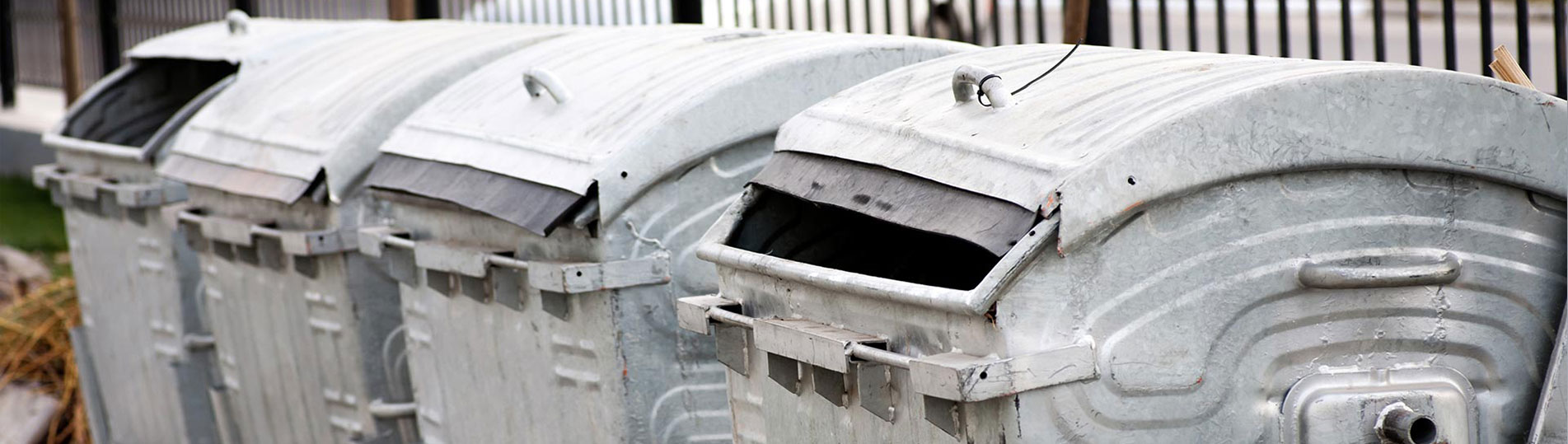
Westminster Council rules on fly-tipping in Marylebone
Posted on 04/07/2026
Westminster Council rules on fly-tipping in Marylebone: what residents and businesses need to know
If you live, work, own a flat, or manage a property in Marylebone, fly-tipping is one of those local problems that can turn up fast and feel oddly personal. A mattress dumped beside a bin. Broken office furniture left on the pavement. Builders' rubble appearing overnight like it has no business being there. The rules matter because Westminster Council rules on fly-tipping in Marylebone are not just about cleaning up a mess; they shape what happens next, who is responsible, and how quickly the street gets back to normal.
This guide explains the practical side of it in plain English. You'll learn what counts as fly-tipping, how Westminster generally approaches enforcement, what residents and businesses should do when waste needs removing, and how to reduce the risk of fines or complaints. If you're trying to sort out your own rubbish the right way, it may also help to look at rubbish clearance in Marylebone or the wider services overview so you can choose a cleaner, safer route. Easy enough in theory. In practice, a bit more nuanced.
Why Westminster Council rules on fly-tipping in Marylebone Matters
Marylebone is busy, dense, and highly visible. That combination makes illegal dumping more than a cosmetic issue. One abandoned sofa can block a narrow pavement, attract more waste, and create a chain reaction: passers-by assume the area is already used for dumping, then more rubbish appears. You'll see this pattern in pockets near commercial frontages, mews streets, and busy residential blocks where waste moves in and out all day.
For residents, the biggest concern is usually simple: can I leave items here, and if not, what happens if someone else does? For landlords, managing agents, and shop owners, the concern is broader. A single pile of waste outside a property can damage the street's appearance, upset neighbours, and create a headache with building staff or lease obligations. If you manage a flat or block, the local context really matters; some streets see more shared-bin pressure than others, and Marylebone's mix of homes, offices, and hospitality means the waste stream is rarely neat.
There is also a reputational angle. Marylebone has a polished feel, and people notice what sits on the pavement. A tidy street suggests good management. A mattress in the wrong place says the opposite, and fairly quickly too.
Expert summary: Fly-tipping rules matter in Marylebone because the area's density, footfall, and mixed property use make waste problems visible fast. Prevention is cheaper, quicker, and less stressful than dealing with complaints, notices, or removal costs after the fact.
If you're already trying to clear space properly, it can help to compare options for house clearance in Marylebone, office clearance, or builders' waste disposal depending on the type of waste involved.
How Westminster Council rules on fly-tipping in Marylebone Works
At a practical level, fly-tipping means dumping waste somewhere it should not be left. That might be on the street, beside a communal bin store, in a service alley, on private land, or at the edge of a property boundary. The important point is that waste must be disposed of through the proper channel. Leaving it in the wrong place, even temporarily, can become a problem if it is not collected in the way expected.
Westminster Council generally expects residents and businesses to keep waste secure, stored correctly, and handed over through legitimate collection methods. In Marylebone, that usually means using a scheduled collection, arranging a legal removal service, taking items to an approved waste site if that applies to you, or ensuring a trade waste arrangement is in place for commercial premises. If you are responsible for the waste, you are responsible for it until it is handled correctly. That sounds blunt, but it is the reality.
The council can investigate dumped waste, especially where there is evidence linking it to a person, address, or business. Common signs include labels, packaging, delivery notes, or item tags. Even something as minor as a document with an address can become relevant. So yes, the paper label you forgot to strip off the box can matter. A little inconvenient, but there it is.
For everyday removal, most people benefit from choosing a lawful collection route in advance. That is where practical services such as waste removal in Marylebone or garden waste removal can help when the rubbish is bulky, awkward, or time-sensitive. If you're in a high-footfall area, same-day support can be especially useful, like the kind discussed in Marylebone High Street bulky waste guidance.
Key Benefits and Practical Advantages
Understanding the rules is not only about avoiding trouble. It also gives you a cleaner, more efficient way to manage waste in a part of London where space is at a premium and access can be awkward.
- Less risk of complaints: If waste is removed properly, neighbours are far less likely to report you or your building.
- Better street appearance: In Marylebone, appearance matters. A tidy frontage helps everyone.
- Lower chance of fines or enforcement: Following the correct process reduces the risk of being linked to dumped waste.
- Faster turnaround: Planned removal is usually quicker than waiting for a problem to escalate.
- Improved safety: Loose waste can attract pests, block access, or create trip hazards.
- Better compliance for businesses: Commercial properties benefit from predictable routines and clear responsibilities.
There is a quieter benefit too: peace of mind. If you've ever walked out on a Monday morning to find a pile of rubbish leaning against a wall, you know the feeling. You can almost hear the complaint before it comes in.
For people comparing service routes, it can also be helpful to review pricing and quotes, payment and security, and insurance and safety so the choice is based on more than just convenience.
Who This Is For and When It Makes Sense
This topic is relevant to more people than you might expect. Fly-tipping rules affect not just the person who dumped the waste, but the neighbour who spots it, the landlord who has to deal with it, and the business owner whose frontage gets blamed for it.
Residents need this if they are clearing out old furniture, moving home, replacing appliances, or managing leftover DIY waste. A common mistake is assuming that "just leaving it beside the bins" is acceptable. Usually, it isn't.
Landlords and letting agents need it because tenancy turnover often brings a burst of rubbish. End-of-tenancy clearances are notorious for this. If the wrong items are left out, the building can end up with complaints before the keys are even back on the hook.
Small businesses and offices need it when replacing furniture, removing packaging, or clearing storage areas. If commercial waste is mixed with domestic waste, it can create a mess in both legal and practical terms. In a compact business district, that matters.
Builders and contractors should pay particular attention, because construction waste is one of the most common sources of street clutter. If you're looking at renovation work, it's sensible to plan around builders' waste disposal in Marylebone rather than hoping the site will somehow tidy itself up overnight. It won't. Sadly.
This also applies if you're dealing with a tricky location near landmarks or busy routes. We've seen plenty of practical questions in local guides like clearing waste near Madame Tussauds and rubbish pickup on Baker Street, where access, timing, and foot traffic all shape what makes sense.
Step-by-Step Guidance
If you want to stay on the right side of Westminster Council rules on fly-tipping in Marylebone, the simplest approach is to treat waste removal as a planning task, not an afterthought.
- Identify the waste type. Household rubbish, furniture, garden cuttings, office waste, and construction debris each need different handling. Do not lump everything together if one category needs special care.
- Check whether it is yours to remove. In shared buildings, this can be a little murky. Ask yourself who generated the waste and whether it belongs to the landlord, tenant, contractor, or building management.
- Store waste safely until collection. Keep it indoors, in a bin store, or on private property if possible. Avoid pavements, doorways, and shared access routes.
- Choose a lawful removal route. That may be council guidance, a licensed collection option, or a specialist service depending on the item.
- Schedule the collection. In busy parts of Marylebone, timing matters. Morning collections often work better for access and foot traffic.
- Keep proof of disposal. For businesses and landlords especially, record what was removed, when, and by whom. It is boring admin, yes, but useful if anyone queries it later.
- Inspect the area afterwards. Check behind doors, in communal corners, and around bin stores. Small scraps become bigger complaints surprisingly fast.
If you need a more hands-on route, a local clearance team can simplify the whole process. The relevant service depends on the job: rubbish clearance for general mixed waste, house clearance for domestic clear-outs, or office clearance for desks, chairs, and filing-heavy jobs.
Expert Tips for Better Results
Small habits make a big difference here. The difference between a smooth collection and a problem report is often just timing, tidiness, and a bit of local awareness.
- Photograph the waste before it moves. This helps if you need to prove what was collected or show that items were not left casually on the street.
- Separate reusable items. Good furniture, appliances, or fixtures may be better reused than dumped. That is especially relevant for larger clearances.
- Remove labels and personal documents. Not only for privacy, but because loose identifying information can complicate investigations.
- Time collections around building access. Narrow streets, basement steps, and concierge windows can all affect how waste is moved.
- Use the right service for the right job. A builder's load is not the same as a sofa pickup. Obvious, maybe. Still missed all the time.
A useful habit in Marylebone is to think in terms of neighbours and sightlines. If waste is visible from the street, it is already part of the public conversation. Keep it out of that conversation if you can.
For people handling one-off bulky items, local content such as bulky sofa pickup costs and wait times or Wimpole Street furniture disassembly and removal can help set expectations before the items even come downstairs.

Common Mistakes to Avoid
Most fly-tipping problems begin with something small: a shortcut, a rushed move, or a misunderstanding about what counts as acceptable storage. The best way to avoid trouble is to know the traps in advance.
- Leaving items beside shared bins. If there is no clear collection arrangement, this often becomes the building's problem.
- Assuming council collection will cover everything. Not all items are treated the same, and not all clearances suit the same route.
- Using an unverified collector. If waste is dumped illegally after collection, the original owner can still face questions.
- Mixing trades waste with domestic rubbish. That can confuse responsibilities and create an avoidable compliance issue.
- Waiting until the last minute. The "I'll sort it tomorrow" approach is how front steps become dumping spots. It's a classic, honestly.
- Forgetting about access issues. In Marylebone, stairwells, narrow pavements, and permit-controlled areas can all complicate disposal.
Another subtle mistake is not telling building staff or neighbours what is happening. A quick note can prevent someone else from assuming the waste is abandoned. That one small message saves a lot of awkwardness.
Tools, Resources and Recommendations
You do not need fancy tools to deal with waste correctly, but a few practical resources make life easier.
- Phone camera: Use it to record what needs removing and what the area looked like before collection.
- Basic inventory list: Helpful for landlords, agents, and office managers who need a record of disposal.
- Labels or tape: Mark items that must stay, especially in shared storage areas where confusion happens fast.
- Access notes: Stair height, loading restrictions, lift use, concierge contact, and time windows all matter in Marylebone.
- Service comparison: Review the difference between domestic, office, garden, and builders' waste before booking anything.
For a more complete picture of your options, the following pages may help: recycling and sustainability if you want a greener route, about us if you want to understand the team behind the service, and your rubbish removal needs if you are trying to match the waste type with the right approach.
And if you're price-sensitive, which most people are, don't ignore the details. Spotting hidden fees in Marylebone rubbish companies is often as important as the headline quote itself.
Law, Compliance, Standards, or Best Practice
It is safest to think of fly-tipping compliance in three layers: legality, responsibility, and good practice. Legality is the baseline. Responsibility is who must make sure the waste is handled correctly. Good practice is what reduces risk and hassle in the real world.
Under standard UK expectations, waste should be transferred only to someone who is authorised to handle it. For households, that means using proper disposal routes and not leaving waste where it can be treated as abandoned. For businesses, the bar is higher because commercial waste management usually needs clearer records and more formal arrangements. That is especially true in mixed-use areas like Marylebone.
Best practice includes keeping waste under control, preventing it from becoming visible street clutter, and making sure the person removing it is credible and appropriately insured. If you are arranging a service, it is reasonable to ask what happens to the waste after collection, whether the team is insured, and how items are separated for reuse or recycling where possible. That is not overcautious. It is sensible.
If you are weighing up legal risk, remember this simple rule: don't hand waste to someone you wouldn't trust to explain where it went. A bit blunt, maybe, but useful.
For safety-minded readers, the page on insurance and safety is worth reading alongside your planning, especially if lifting, stairs, or bulky items are involved.
Options, Methods, or Comparison Table
Here is a straightforward comparison of common waste-handling routes in Marylebone. The best option depends on volume, urgency, item type, and access.
| Method | Best for | Strengths | Limitations |
|---|---|---|---|
| Council-style disposal route | Simple household waste and standard items | Familiar process, usually cost-conscious | May be less convenient for bulky or urgent jobs |
| Private licensed clearance | Mixed waste, bulky items, tight timelines | Fast, practical, flexible with access issues | Cost depends on volume and item type |
| DIY transport | Small loads and people with a suitable vehicle | Direct control over disposal | Time-consuming, parking and lifting can be awkward |
| Specialist clearance | Builders' waste, office moves, house clearances | Structured handling for complex jobs | Usually needs better planning in advance |
In Marylebone, the practical winner is often the one that avoids items sitting outside for too long. Appearance, access, and speed all matter, and to be fair, that tends to steer people towards an arranged collection rather than a last-minute scramble.
Case Study or Real-World Example
A typical Marylebone scenario goes like this. A small flat is being cleared after a tenant move-out. There is a sofa, a broken bedside table, two bags of mixed household waste, and some packaging from a new appliance. The temptation is to stack everything by the entrance and deal with it later. The problem is that later can become visible clutter by lunchtime, especially in a street where neighbours and passers-by notice everything.
Instead, the managing agent separates the items: reusable furniture is identified first, mixed rubbish is kept indoors until collection day, and the bulky sofa is arranged for removal through a proper clearance route. The stairwell stays clear, the pavement stays tidy, and nobody has to explain an abandoned pile to the building manager. Not glamorous, but it works.
Now compare that with a less careful approach. Items are left beside the bin store on Friday night, a note is not shared with the porter, and by Saturday morning someone has added another bag of rubbish because they assumed the area was already for dumping. That is how a small shortcut becomes a bigger mess. You've probably seen it happen near busy residential blocks or mixed commercial frontages.
That is why local pages like the Portman Estate rubbish removal guide and resident tips on living in Marylebone are useful alongside the rules. The details of the street matter. Always.
Practical Checklist
Use this checklist before you put anything out for collection or arrange removal.
- Have I identified the exact waste type?
- Is this waste mine, or am I dealing with shared or contractor waste?
- Can the items stay inside or on private property until collection?
- Have I removed documents, labels, or personal details?
- Do I know the correct disposal route for this type of waste?
- Have I checked access, parking, and timing constraints?
- Do I need photos or records for management or compliance?
- Is the collector or service appropriate for bulky, office, garden, or builders' waste?
- Have I told the relevant people in the building or business?
- Have I confirmed how I'll keep the area clear after removal?
If you can answer yes to most of those, you are usually in a good place. Not perfect, perhaps. But good enough to avoid the usual headaches.
Get a free quote today and see how much you can save.
Conclusion
Westminster Council rules on fly-tipping in Marylebone are really about keeping waste where it belongs and making sure the person responsible handles it properly. That sounds straightforward, but in a busy, elegant, high-footfall area like Marylebone, the details matter a lot. Waste left in the wrong place can quickly become a nuisance, a complaint, or a compliance issue.
The smart move is simple: identify the waste, keep it secure, use the right disposal route, and avoid leaving anything exposed on the street. Whether you are clearing a flat, refreshing an office, or dealing with builders' debris, a little planning now saves a lot of friction later. And honestly, that's the nicest outcome for everyone involved. Less mess, less stress.
If you are sorting a clearance in the area, take a calm, practical approach. Marylebone rewards the organised.


From a young age, Blair has cultivated a passion for order, which has now matured into a prosperous profession as a waste removal specialist. She derives satisfaction from transforming disorderly spaces into practical ones, aiding clients in conquering the burden of clutter.
 Tipper Van - Waste Collection and Rubbish Clearance Prices in Marylebone, W1
 Luton Van - Waste Collection and Rubbish Clearance Prices in Marylebone, W1