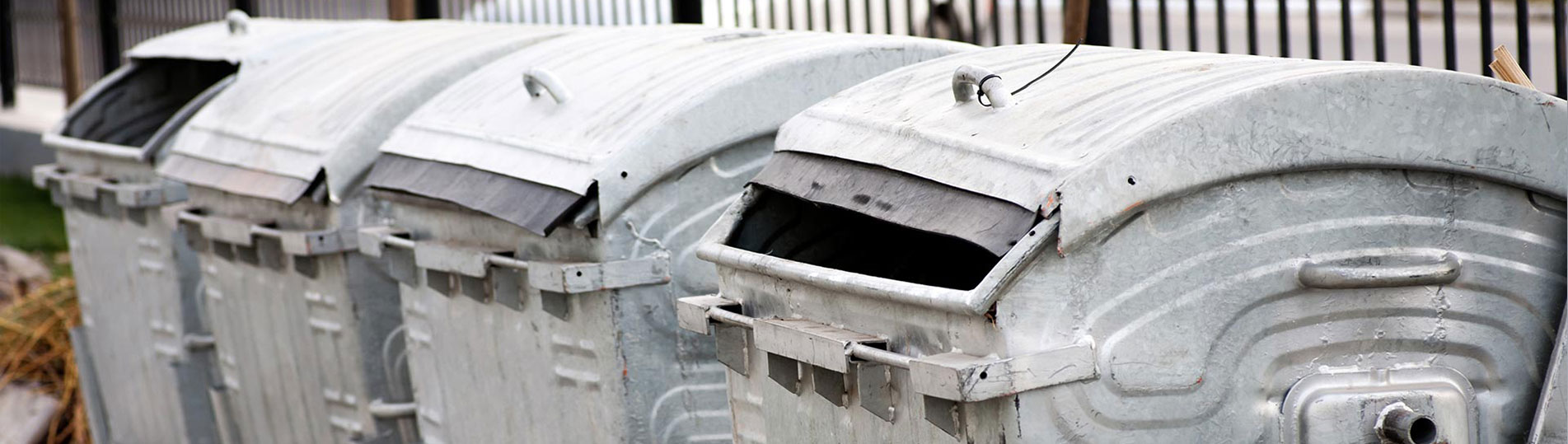
Westminster permit limits for skip hire in Marylebone (W1)
Posted on 12/07/2026
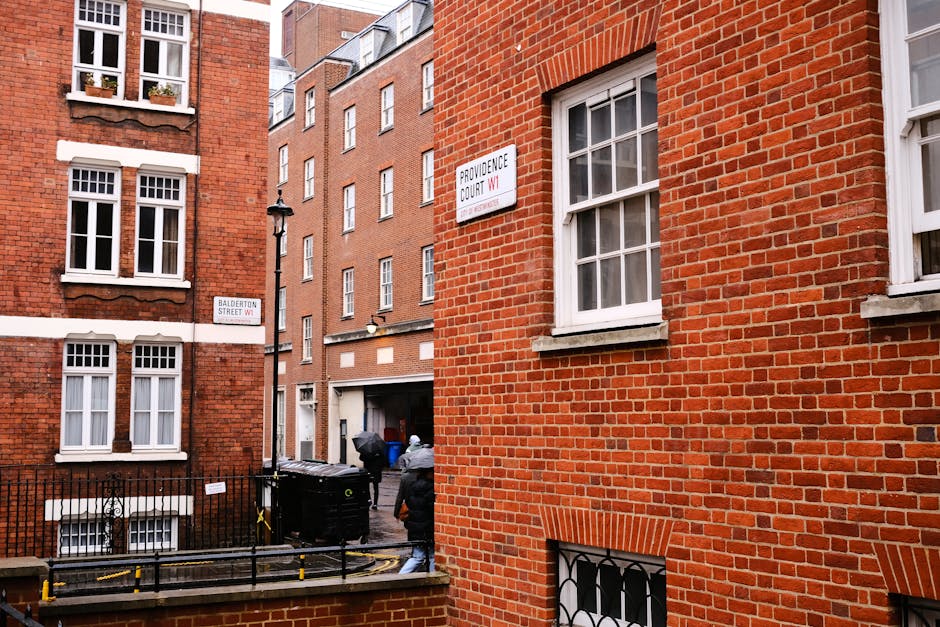
Westminster permit limits for skip hire in Marylebone (W1): a practical guide for residents, landlords and contractors
If you are planning skip hire in Marylebone, the permit side is usually where things get messy first. Westminster streets are tight, bays are shared, and one wrong assumption can turn a straightforward clear-out into delays, extra costs, or a very awkward conversation with a neighbour. This guide explains Westminster permit limits for skip hire in Marylebone (W1) in plain English, so you can work out what is allowed, what usually needs approval, and when a skip might not be the best fit at all.
We will also look at the practical realities of working in W1: narrow access, parking pressures, conservation-style streets, busy loading times, and the simple fact that waste removal in Marylebone often needs a bit more planning than people expect. If you want the short version, it is this: check whether the skip can sit fully on private land, verify whether a permit is needed for any placement on the highway, and make sure the size and timing actually suit your job. Easy to say. A bit more involved in practice.
Why Westminster permit limits for skip hire in Marylebone (W1) Matters
Skip hire sounds simple until you factor in where the skip will actually live. In Marylebone, that is the key issue. Westminster controls what can be placed on the public highway, and many properties in W1 do not have generous forecourts, drives, or service yards. So if you are thinking about a skip outside a townhouse, mansion block, mews property, office, or building site, the permit question is not a side note. It is the decision.
Why does this matter so much? Because a skip placed without the right permission can lead to removal, fines, delays, and avoidable stress. It can also create tension with building managers, neighbours, and estate teams. And if the skip is too large for the available space, the problem is not just regulatory. It becomes a access issue, a safety issue, and sometimes a collection issue too.
Marylebone also has a particular rhythm. Mornings are busy with school runs, commuters, deliveries, and trade vehicles. Later in the day, parking spaces are fiercely contested. A skip that seems "small enough" on paper may still block sightlines, restrict access, or interfere with loading rules. That is why many local jobs are better served by planning the whole waste move, not just the container.
If you are comparing waste removal methods, it is worth looking at broader service options as well. For example, the full range of rubbish removal services in Marylebone can sometimes be a better fit than a skip, especially when access is tight or the waste needs lifting from inside the property rather than left on the street.
How Westminster permit limits for skip hire in Marylebone (W1) Works
In simple terms, a skip permit is permission to place a skip on land managed as part of the public highway. That usually means the road, the pavement, or another council-controlled space. If the skip is going entirely on private land and not projecting into the highway, a permit may not be required. But in Marylebone, that "if" matters a lot.
There are a few moving parts:
- Location: Is the skip on private property, or part of it on the public highway?
- Size: Does the skip physically fit in the available bay or frontage?
- Duration: How long will it stay there, and is that time realistic for your job?
- Placement conditions: Are there lighting, marking, visibility, or access requirements?
- Estate or building rules: Does a landlord, managing agent, or residents' association also need to approve it?
That last point gets missed often. Westminster permission is not always the only permission. In Marylebone, private estates and managed blocks may have their own rules, and some are stricter than the council's basic highway concerns. If you are working within an estate-managed area, it can help to check local guidance first, especially if you are dealing with a flat clearance or a major tidy-up. The local context in this Portman Estate rubbish removal guide gives a good feel for how layered these arrangements can be.
In practice, the permit timeline matters just as much as the permit itself. If you need the skip for a weekend project and the paperwork is not lined up in time, your whole plan can stall. That is one reason why some people move toward same-day or next-day uplift services instead. Not glamorous, but efficient.
And to be fair, efficiency is often the real goal. Nobody starts a declutter thinking, "I hope I get to spend three days negotiating bin placement."
Key Benefits and Practical Advantages
When a skip is the right tool, it can be very useful. You get a single collection point, a clear boundary for waste, and a place to keep bulky material out of the way while the job progresses. For builders, landlords, and larger home clearances, that can be a real advantage.
Here are the main benefits people usually notice:
- Better project control: You can keep waste on site during a refurbishment or clear-out.
- Less back-and-forth: One container can be easier than multiple van loads.
- Cleaner work area: Debris stays contained, which helps with safety and access.
- Clearer scheduling: You know where the waste is going before the job starts.
- Useful for mixed waste: A skip can handle a broad mix of non-hazardous items, subject to the hire terms.
That said, the benefit only holds if the skip is suited to the street and the permit conditions. In Marylebone, the "practical advantage" may actually come from not using a skip at all. For example, if you are clearing a flat near Baker Street and access is through a shared hallway, a van-based uplift can be far simpler. You can see how location-specific that decision can be in this Baker Street rubbish pickup guide.
Another plus is speed at the end of a job. If the skip is full, it can be collected in one go. No need to book multiple small trips. That simplicity is the appeal, really. When it works, it works well.
Who This Is For and When It Makes Sense
Skip hire in Marylebone makes sense for people who have enough waste to justify a container and enough space to place it properly. That sounds obvious, but in W1 it is the key filter.
You are probably in the right group if you are:
- renovating a flat or mews house;
- managing a landlord or end-of-tenancy clear-out;
- handling builders' waste from a kitchen, bathroom, or structural project;
- clearing a garden after landscaping work;
- sorting office furniture or archiving waste from a workspace;
- dealing with a bulky accumulation that is too much for normal collection.
If your property has a private driveway or yard, skip hire can be more straightforward. If not, the permit issue may push you towards another option. It is also worth thinking about the shape of the waste. A pile of loose light material behaves differently from heavy rubble, plasterboard, or furniture that needs disassembly before it can even leave the room.
That is why some residents and businesses prefer a direct clearance service. For larger domestic jobs, house clearance in Marylebone can be less awkward than arranging a skip on a constrained street. For business premises, office clearance in Marylebone often removes the headache of permits and limited kerb space altogether.
If you are unsure, ask yourself one practical question: will the waste be easier to place into a skip, or easier to have removed from inside the property? That single question usually reveals the better choice.
Step-by-Step Guidance
If you want to handle Westminster permit limits for skip hire in Marylebone (W1) properly, the safest approach is to work through the process in order. A bit of planning saves a lot of bother later.
- Identify the exact placement location. Check whether the skip would sit fully on private land or touch the highway in any way.
- Measure the space honestly. Do not guess. Look out for lamp posts, parked car sightlines, gates, basement steps, bollards, and low branches.
- Confirm what kind of waste you have. General mixed waste, builders' debris, garden cuttings, and furniture each create different needs.
- Check site or estate permissions. In Marylebone, the building manager or estate office may need to approve the plan before the council side is even considered.
- Decide whether a skip is actually the best method. If access is awkward, compare it with a van clearance, same-day uplift, or a specialist service.
- Arrange the permit or book a compliant provider. If a permit is needed, make sure the timing matches the hire period and collection window.
- Prepare the waste properly. Separate prohibited items, flatten bulky packaging, and keep the loading area safe.
- Monitor the stay period. Don't assume you can leave the skip longer than planned. Extensions and overstay issues can create extra cost.
One small but important detail: if you are clearing heavy or awkward items, disassembly can make all the difference. A sofa that will not pass through a narrow staircase is a common Marylebone problem, and it often decides the method. There is a useful local example in this Wimpole Street furniture disassembly guide. Sometimes it is the boring prep work that saves the day.
And if the situation turns urgent, you may need a faster fallback. For those times, emergency flat clearance in W1 is the kind of option people are glad exists, even if they would rather never need it.
Expert Tips for Better Results
After plenty of local clearances, one theme comes up again and again: the best outcomes are rarely the ones with the biggest container. They are the ones with the cleanest plan.
Here are a few practical tips that genuinely help:
- Choose the smallest workable option. Bigger is not always better in Marylebone. A smaller, well-placed solution may be easier to permit and easier to collect.
- Check loading height and access angles. A skip can fit on paper and still be a nuisance if the approach is tight.
- Keep a clear loading path. If people need to carry items down stairs or through a narrow corridor, clear that route first.
- Separate clean recyclable material where possible. It can simplify handling and reduce friction on site. Our approach to recycling and sustainability is built around that kind of practical sorting.
- Book early for busy days. End-of-week jobs and month-end moves can get crowded fast.
- Ask about hidden constraints. Some streets in Marylebone look fine at first glance but become tricky once you consider width, traffic flow, and parking pressure.
One thing we see a lot: people focus on the waste volume but not the route out. The route is often the whole game. If a wardrobe has to come down three flights of stairs and around a tight landing, the skip is almost the easy part.
If you are comparing providers, it can help to review the broader service and pricing picture first. Pricing and quotes should be transparent enough to let you compare like for like, not apples and oranges. And yes, hidden extras are real. They always seem to arrive when nobody's looking.

Common Mistakes to Avoid
A lot of permit trouble in Marylebone comes from simple assumptions. Most of them are easy to avoid once you know what to look for.
- Assuming the skip can sit anywhere. A pavement edge is not the same thing as private ground.
- Leaving the decision too late. If the permit or approval process takes time, last-minute bookings can get awkward.
- Picking a skip that is too large for the street. It may fit physically, but not comfortably.
- Ignoring estate or landlord rules. Westminster permission does not cancel private property rules.
- Forgetting about restricted access. Basement steps, shared entrances, and narrow mews can all change the plan.
- Mixing in prohibited waste. Hazardous or specialist items often need separate handling.
- Not planning for collection. A skip that can be delivered easily may still be hard to remove if cars block it later.
There is also a softer mistake: choosing the wrong method out of habit. People often default to a skip because it feels familiar. But in a dense area like Marylebone, a direct clearance service can save time, reduce permit stress, and avoid the "where on earth do we put this thing?" moment.
For builders and contractors, that can matter especially on jobs where time windows are tight. If your project creates ongoing rubble or mixed builders' waste, builders' waste disposal in Marylebone may be more practical than a skip sitting idle on the road. Simple truth.
Tools, Resources and Recommendations
You do not need a toolbox full of specialist gear to get this right, but a few practical tools help a lot.
- Measuring tape: Essential for checking frontage, gate widths, and access routes.
- Phone camera: Take a few pictures of the frontage, driveway, and obstacles. It helps with planning.
- Simple floor plan or sketch: Useful if you are dealing with a building manager or contractor.
- Checklist for waste types: Helps you separate ordinary waste from items needing special handling.
- Access notes: Make a quick note of parking pressure, road width, and loading restrictions around the property.
In Marylebone, local knowledge matters more than fancy tools. If you know your street is tight, say so early. If there is a basement, say so early. If the clearance involves a family flat, office, or mixed-use property, say so early. The best recommendations usually come from accurate basics, not heroic problem-solving at the last minute.
It can also be worth reading a little around the area-specific challenges. For example, Marylebone High Street same-day bulky waste service shows how speed and access often influence the best approach. And if your job is near a major visitor route, these waste clearance tips near Madame Tussauds highlight the reality of busy-footfall streets.
Law, Compliance, Standards, or Best Practice
This is the part people often want simplified, so let's keep it straightforward and careful. Skip placement on the highway is regulated, and Westminster has its own local controls around road use, safety, and obstruction. The exact permission route can vary depending on location, timing, road conditions, and the nature of the site. If you are unsure, treat any public-space placement as needing formal checking rather than making assumptions.
Best practice usually includes the following:
- Do not obstruct pedestrians or traffic. That includes maintaining sightlines and safe passage.
- Use clear markings where required. A skip should be visible and placed responsibly.
- Respect collection windows. Overrunning a permit period can create avoidable issues.
- Keep waste secure. Loose material should not spill into the street or blow into public areas.
- Separate hazardous items. Paints, solvents, electricals, and similar items often need special treatment.
- Follow estate rules as well as council rules. In Marylebone, the private side of compliance is often just as important.
Fly-tipping is another obvious risk if waste is left outside a controlled arrangement. It is one reason people prefer to use a licensed removal route rather than risk unloading material into the wrong place at the wrong time. If you want a broader overview of that issue, Westminster council rules on flytipping in Marylebone is a useful companion read.
For peace of mind, make sure the company you use is clear about insurance and handling standards. That is not overcautious; it is just sensible. Insurance and safety should be part of the conversation before anything gets booked.
Options, Methods, and Comparison Table
Not every Marylebone waste job needs a skip. In fact, many do better with another method. Here is a practical comparison to help you decide.
| Option | Best for | Pros | Limitations |
|---|---|---|---|
| Skip hire | Larger projects with enough space on private land or permitted highway space | Good for ongoing loading, simple containment, useful for bigger volumes | May need a permit, can be awkward on narrow streets, access can be tricky |
| Van-based rubbish removal | Smaller to medium clearances, awkward access, quick turnaround | No skip sitting outside, flexible, often easier in tight Marylebone streets | May require someone to load promptly, pricing depends on volume and labour |
| House clearance | Whole-property or multi-room clear-outs | Reduces effort, handles lifting and sorting, suits move-outs | Not ideal for slow, ongoing DIY projects |
| Builders' clearance | Refurbishment debris and construction waste | Good for trade work, cleaner site management | Some waste streams need separation or special treatment |
| Garden waste removal | Cuttings, branches, turf, and outdoor tidy-ups | Quick and neat for seasonal work | Less suitable for mixed heavy waste |
If you are on the fence, the deciding factor is usually access. Not volume. Access.
For garden-heavy jobs, garden waste removal in Marylebone can be more practical than arranging a skip on the road. And for a broader look at how the area tends to handle local clearances, rubbish clearance in Marylebone is a good reference point.
Case Study or Real-World Example
Here is a realistic example based on the kind of job that comes up regularly in W1.
A resident in a Marylebone mansion block wanted to clear a mix of old furniture, broken shelving, and refurbishment debris from a two-bedroom flat. At first, a skip seemed sensible. But the frontage was shared, the road was narrow, and the building manager had strict rules about anything left outside the entrance. There was also limited room to keep a skip from interfering with residents coming and going.
After checking the access route, the better option turned out to be a direct clearance service with loading from inside the property. The team could work around the lift schedule, move items through the hallway safely, and remove everything in one visit. No skip permit issue. No street obstruction. No awkward lunchtime shuffle around a metal box sitting where nobody wanted it.
The biggest lesson? The first idea was not the best one. That happens more often than people think. In a place like Marylebone, the most convenient option on paper can be the least convenient on the ground.
A similar pattern shows up with sofa and bulky furniture removals. If disassembly is needed, or access is tight, the route out matters more than the waste volume itself. That is why local experience counts. The street tells you what the brochure won't.
Practical Checklist
Use this before you book anything. It keeps the decision honest.
- Have I checked whether the skip would touch the highway?
- Do I know if Westminster permission is needed for this exact location?
- Have I asked the landlord, estate, or managing agent about local rules?
- Does the frontage actually fit the skip size I am considering?
- Have I allowed for delivery and collection access?
- Is my waste mixed, bulky, heavy, or likely to need sorting first?
- Would a van removal be simpler than a skip?
- Have I separated prohibited or hazardous items?
- Do I know the working window and expected duration?
- Have I compared the total cost, not just the headline hire price?
Expert summary: in Marylebone, the right waste solution is usually the one that fits the street as well as the job. If your access is easy, skip hire can work well. If access is tight, a permit-heavy plan can become more trouble than it is worth. Keep the method flexible, and let the property lead the decision.
Get a free quote today and see how much you can save.
Conclusion
Westminster permit limits for skip hire in Marylebone (W1) are not just a technical detail. They shape the whole job. Once you understand where the skip can go, how long it can stay, and whether the street can realistically support it, the rest becomes much easier to manage.
In the end, the smartest choice is the one that respects the space around the property, keeps the work moving, and avoids unnecessary friction. Sometimes that means a skip. Sometimes it means something cleaner, quicker, and easier to control. Either way, a little planning goes a long way in Marylebone. And honestly, that is usually the difference between a smooth clear-out and a week of faffing about.
When you get the setup right, the whole process feels lighter. That is what you want: less noise, less stress, and a job that simply gets done.


From a young age, Blair has cultivated a passion for order, which has now matured into a prosperous profession as a waste removal specialist. She derives satisfaction from transforming disorderly spaces into practical ones, aiding clients in conquering the burden of clutter.
 Tipper Van - Waste Collection and Rubbish Clearance Prices in Marylebone, W1
 Luton Van - Waste Collection and Rubbish Clearance Prices in Marylebone, W1